Why Breaks Matter in Mental Health Practice
Running a private mental health practice is emotionally and cognitively demanding. You're holding space for clients' deepest struggles, making clinical decisions, managing administrative tasks, and maintaining professional boundaries—often all in the same day. Without deliberate breaks built into your schedule, burnout isn't a possibility; it's a probability.
Breaks aren't luxuries or signs of inefficiency. They're essential maintenance for your clinical presence, decision-making capacity, and long-term sustainability as a practitioner. When you're depleted, your ability to offer genuine therapeutic presence diminishes. Your clients deserve your best self, and you deserve to work in a way that's sustainable.
The Impact of Back-to-Back Sessions
Many practitioners, especially those building their practices, feel pressure to fill every available slot. The logic seems sound: more sessions mean more income. But this approach often backfires. Consecutive sessions without breaks lead to:
- Reduced clinical presence: Your attention and empathy become stretched thin
- Decision fatigue: Clinical judgments suffer when you're mentally exhausted
- Increased errors: Administrative mistakes compound when you're rushing between clients
- Physical symptoms: Tension, headaches, and fatigue accumulate
- Emotional depletion: The emotional labour of therapy requires recovery time
A practice that's unsustainable isn't a good investment, regardless of short-term income. Building breaks into your schedule is actually a business strategy that protects your long-term viability.
Types of Breaks to Schedule
Not all breaks serve the same purpose. Different types of breaks address different needs:
Between-Session Breaks
The most critical breaks are those between client sessions. A 15-minute buffer between appointments isn't wasted time—it's essential transition space. Use this time to:
- Complete session notes while the session is fresh
- Use the bathroom and hydrate
- Step outside or change your environment
- Reset your nervous system before the next client
- Return calls or handle quick administrative tasks
Even 10 minutes makes a significant difference. Without this transition, you carry the emotional weight of one session into the next, compromising your presence.
Lunch Breaks
A true lunch break—away from your desk, away from client work—is non-negotiable. This is a minimum 30-60 minute period where you eat, rest, and genuinely step away from work. Not eating lunch at your desk while catching up on emails. An actual break.
Administrative Blocks
Separate dedicated time for admin work prevents it from bleeding into clinical time. Schedule specific blocks for invoicing, treatment planning, correspondence, and record-keeping. This keeps both your clinical work and administrative work contained and manageable.
Afternoon Resets
If you see clients throughout the day, a 20-minute reset mid-afternoon can be transformative. A short walk, meditation, or simply sitting quietly helps you approach your afternoon sessions with renewed energy.
Scheduling Breaks Strategically
The key to making breaks work is treating them as non-negotiable appointments with yourself. Here's how:
Use Your Scheduling System Intentionally
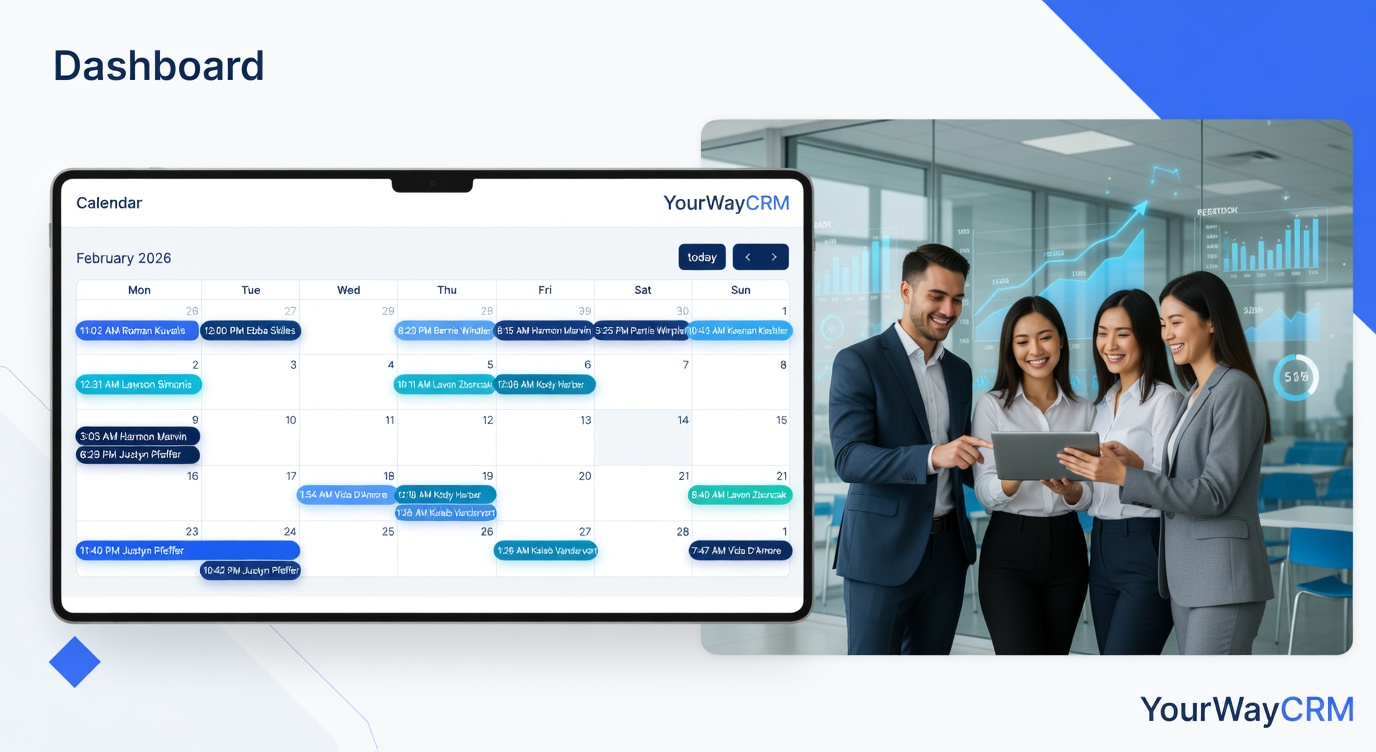
If you're using appointment management software like YourWayCRM, block out your breaks just as you would client sessions. Mark them as unavailable. This prevents the temptation to squeeze in an extra appointment and ensures your breaks are protected.
Group Sessions Strategically
Rather than spreading sessions evenly throughout the day, consider clustering them. For example, you might see clients from 9am-12pm, take a substantial lunch break, then see clients from 1pm-4pm. This creates larger blocks of recovery time and makes your day feel more manageable.
Create Theme Days
Some practitioners dedicate specific days to different work types. For instance, Mondays and Wednesdays might be full clinical days, while Tuesdays include fewer sessions and more administrative time. This variation prevents monotony and allows for deeper focus.
Plan Around Your Energy
Notice when your energy is highest and lowest. If you're most present in the morning, schedule your most complex cases then. Use lower-energy times for administrative work or lighter sessions.
Communicating Boundaries to Clients
Your clients need to understand that you're not available during your breaks. Be clear about your working hours and response times. A professional voicemail message that explains you'll return calls within 24 hours sets appropriate expectations. Your availability isn't infinite, and clients benefit from understanding that you maintain boundaries.
Making Breaks Sustainable
Scheduling breaks is one thing; actually taking them is another. Common obstacles include:
- Guilt: Feeling like you're not working hard enough
- Financial pressure: Believing every unfilled slot costs you money
- Client emergencies: Feeling obligated to be constantly available
- Habit: Years of pushing through without rest
Address these by reframing breaks as essential to your practice's quality. Your clients pay for your presence and skill. You can't offer either if you're burned out. Protecting your breaks is protecting the standard of care you provide.
The Long-Term Payoff
Practitioners who build breaks into their schedules report greater job satisfaction, improved clinical outcomes, and better client relationships. They're also less likely to experience compassion fatigue or burnout. Over time, this translates to a more sustainable, enjoyable practice.
Your practice is a marathon, not a sprint. Building breaks into your schedule isn't about working less—it's about working smarter and more sustainably. You deserve a practice that energizes rather than depletes you.