Why Clear Availability Communication Matters
One of the most common sources of friction in a mental health practice is misalignment between what clients expect and what you can actually offer. When your availability isn't clearly communicated, clients may book sessions at inconvenient times, contact you outside your working hours, or feel frustrated when they can't access you when they want to. This creates unnecessary stress for both you and your clients.
Clear communication about your availability isn't just a courtesy—it's a cornerstone of professional boundaries. It protects your wellbeing, ensures your clients know what to expect, and reduces the administrative headaches that come with constant rescheduling and clarification requests.
Where to Display Your Availability
Your availability information needs to be visible in multiple places so clients encounter it consistently:
- Your website: Include a dedicated section that clearly states your working hours, how far in advance you accept bookings, and any blackout dates.
- Email signature: Add a line stating your typical response time and working hours.
- Voicemail greeting: Record a message that tells callers when you'll be available and how to reach you if it's urgent.
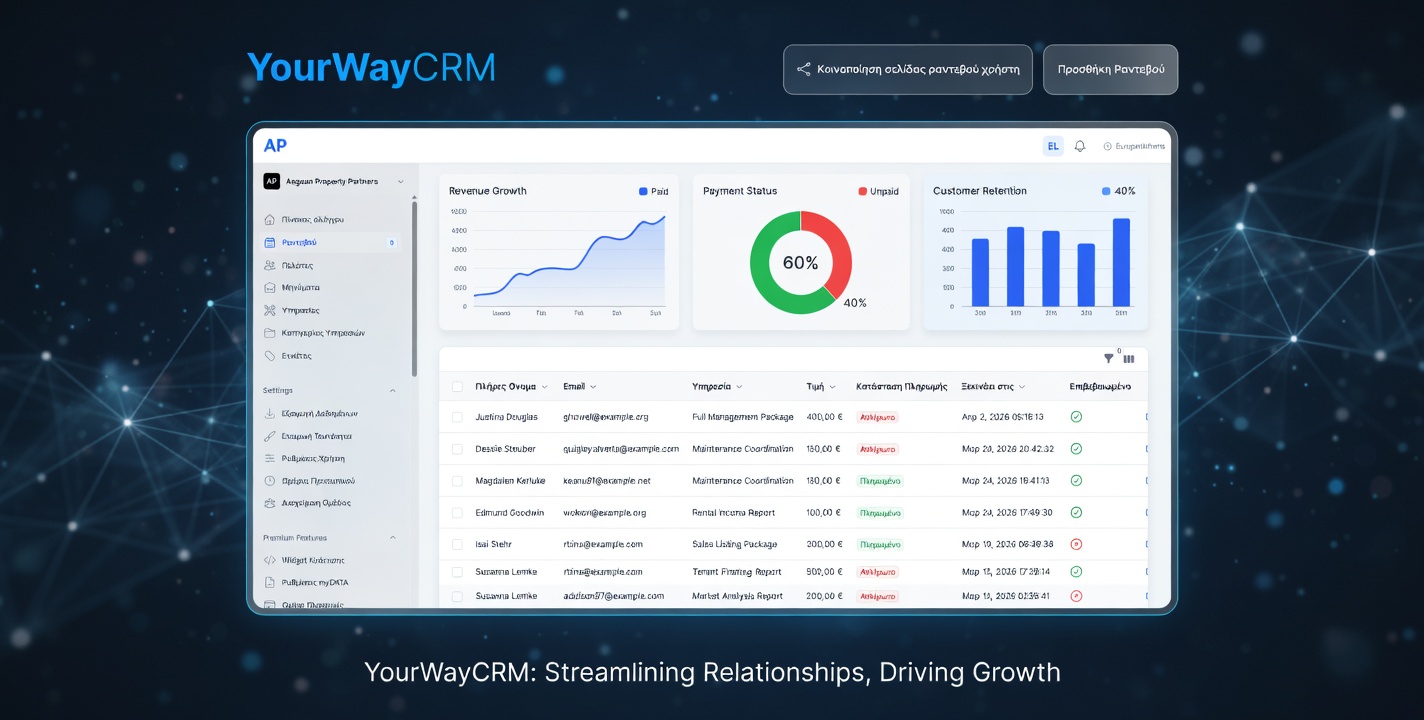
- Appointment booking system: Use a platform like YourWayCRM that automatically displays only your available time slots, preventing clients from attempting to book when you're not working.
- Intake forms: Include a statement about your availability and communication protocols during the initial paperwork.
- Client welcome packets: Provide written information about how and when clients can reach you.
Key Elements to Communicate
When you outline your availability, make sure you cover these specific points:
Working Hours
Be explicit. Don't say "flexible hours"—say "I see clients Monday through Thursday, 9am to 6pm, and Friday 9am to 1pm." Include your timezone if you work with remote clients. This removes all ambiguity.
Response Time for Non-Urgent Messages
Tell clients how long they can expect to wait for a reply to routine emails or messages. For example: "I respond to non-urgent emails within 24 business hours." This sets realistic expectations and prevents clients from assuming you're ignoring them if you don't reply within an hour.
Emergency Protocols
Clearly state what constitutes an emergency and how clients should contact you if they're in crisis. Provide information about crisis lines, emergency services, or your crisis protocol. This is both a boundary-setting tool and a safety measure.
Booking Window
Let clients know how far in advance they can book appointments. For example: "I accept bookings up to 8 weeks in advance" or "Appointments must be scheduled at least 48 hours ahead." This helps with planning and prevents last-minute scrambles.
Cancellation and Rescheduling Policies
Explain the notice period required for cancellations and whether clients can reschedule themselves or need to contact you directly. A clear cancellation policy prevents confusion and protects your schedule.
Vacation and Closure Dates
Announce planned breaks well in advance. Update your booking system to block out vacation periods, and send clients a reminder email a month before you'll be unavailable. This prevents last-minute surprises and gives clients time to plan.
Tools That Support Clear Communication
Technology can be your ally in communicating availability. Appointment management systems like YourWayCRM allow you to:
- Set specific availability windows that automatically update your booking page
- Block out time for admin work, breaks, and personal commitments
- Display blackout dates for vacations or closures
- Send automated reminders and confirmations that reiterate your policies
- Display your response time standards in appointment confirmations
These systems remove the manual work of communicating availability repeatedly and ensure consistency across all touchpoints.
Communicating Changes to Your Availability
Life happens—you might need to adjust your hours, take unexpected time off, or modify your schedule. When this occurs:
- Update your booking system immediately so no new conflicting appointments can be scheduled
- Send existing clients a proactive notification explaining the change
- Offer affected clients options: rescheduling to a new time, a different provider, or other solutions
- Update your website, email signature, and voicemail
- Give as much notice as possible
The Boundary-Setting Benefit
Clear availability communication is actually a form of boundary-setting. When clients know exactly when they can reach you and what to expect, they're less likely to test those boundaries. You'll receive fewer out-of-hours messages, fewer requests for exceptions, and fewer misunderstandings about when sessions happen.
This clarity also protects your mental health. You can fully disconnect during your off-hours because clients understand you're not available, and you've provided them with alternatives for true emergencies.
Final Thoughts
Communicating your availability clearly is one of the simplest yet most effective ways to run a more organized, less stressful practice. It takes minimal effort to implement—a few updates to your systems and communications—but pays dividends in reduced confusion, fewer scheduling conflicts, and stronger professional boundaries. Your clients will appreciate knowing exactly what to expect, and you'll appreciate the breathing room that clear boundaries create.