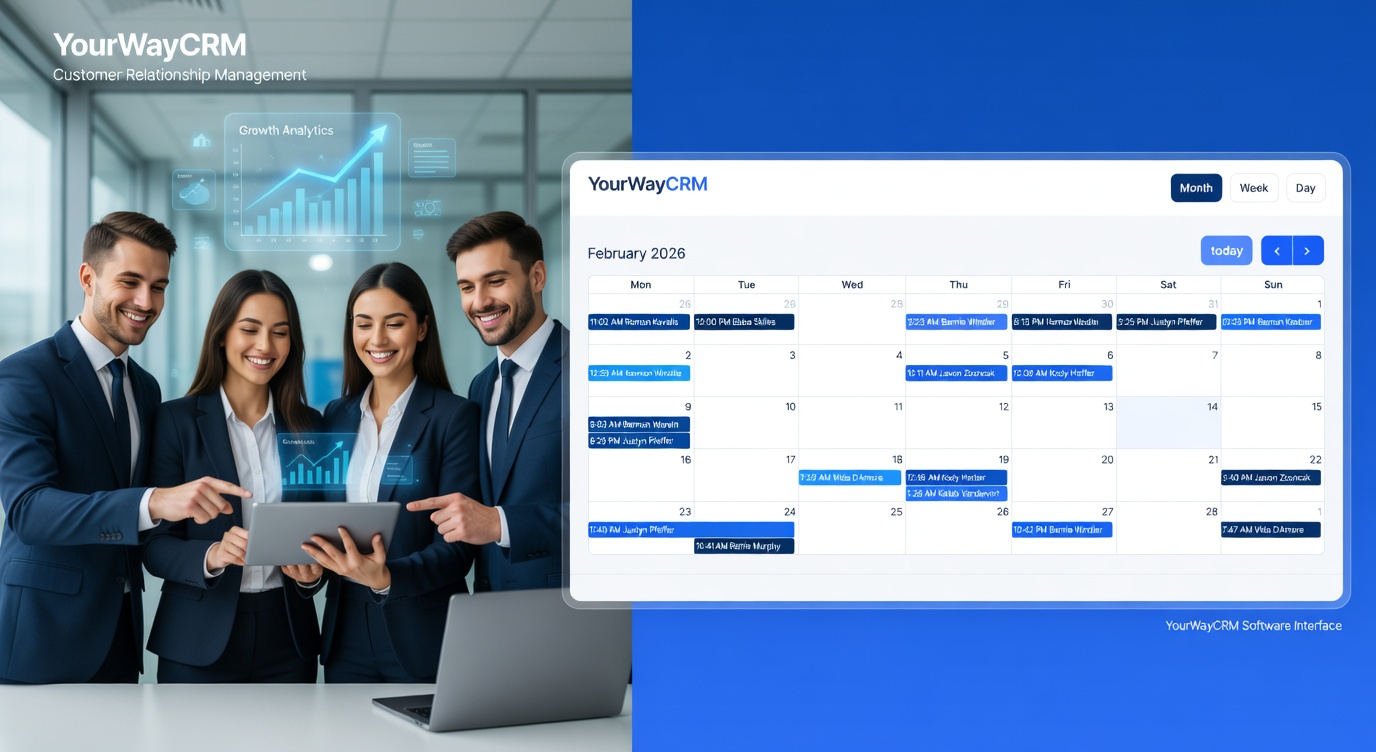
CRM: Your Secret Weapon for Customer Experience
In today's competitive marketplace, small businesses face a unique challenge: how can you compete with larger corporations that have dedicated customer service teams and unlimited resources? The answer lies in leveraging technology strategically. A customer relationship management (CRM) system isn't just a tool for tracking sales—it's your secret weapon for delivering exceptional customer experiences that keep clients coming back.
Why Customer Experience Matters More Than Ever
Customer experience has become the primary differentiator between businesses. Studies show that 80% of customers are willing to switch brands if they encounter poor service, regardless of product quality. For small businesses, this means you can't afford to drop the ball on customer interactions.
When customers feel valued, understood, and supported, they become loyal advocates for your brand. They return for repeat purchases, leave positive reviews, and refer friends and family. This word-of-mouth marketing is invaluable for small business growth, yet it's often overlooked in favor of expensive advertising campaigns.
How CRM Transforms Customer Interactions
Centralized Customer Information
Without a CRM system, customer information is scattered across emails, spreadsheets, and sticky notes. This fragmented approach leads to inconsistent service and missed opportunities. A CRM like YourWayCRM consolidates all customer data in one accessible location, ensuring every team member has the complete picture of each customer's history, preferences, and needs.
When your team has instant access to a customer's previous interactions, purchase history, and preferences, they can provide personalized service that makes customers feel truly understood. This level of personalization is what separates memorable experiences from forgettable ones.
Consistent Communication Across Channels
Today's customers interact with businesses through multiple channels—email, phone, social media, and in-person visits. Without coordination, this creates a disjointed experience where customers must repeat information or receive conflicting messages.
A CRM system tracks all customer communications regardless of channel, creating a unified communication history. Your team can see what was discussed via email, what was promised on the phone, and what feedback was shared on social media. This consistency builds trust and demonstrates professionalism.
Proactive Customer Service
The best customer service is often proactive rather than reactive. CRM systems allow you to anticipate customer needs and reach out before problems arise. For example, you can set reminders to follow up after a purchase, check in on long-time customers, or notify clients about relevant products or services based on their history.
This proactive approach shows customers that you care about their success, not just closing a sale. It transforms your business from a vendor into a trusted partner.
Building Stronger Customer Relationships
Personalized Interactions at Scale
Small businesses have an advantage that larger companies struggle to replicate: the ability to know customers personally. However, as you grow, maintaining that personal touch becomes challenging. A CRM system preserves this advantage by maintaining detailed customer profiles that enable personalized interactions even as your customer base expands.
You can segment customers by industry, purchase history, or engagement level, then tailor your communications accordingly. This personalization increases engagement rates and customer satisfaction without requiring a massive team.
Faster Response Times
Customers expect quick responses. CRM systems streamline workflows and automate routine tasks, freeing your team to respond to customer inquiries faster. Automated reminders ensure nothing falls through the cracks, and task assignments ensure every request gets addressed promptly.
When customers receive quick, helpful responses, they perceive your business as professional and customer-focused—even if you're a team of just a few people.
Turning Data Into Better Decisions
CRM systems don't just store information; they provide insights. Built-in analytics and reporting features help you understand customer behavior, identify trends, and spot opportunities for improvement. You can see which products are most popular, which customer segments are most profitable, and where your service might be falling short.
These insights enable data-driven decision-making rather than guesswork. You can allocate resources where they'll have the biggest impact on customer satisfaction and business growth.
Competitive Advantages for Small Businesses
Here's why CRM is particularly powerful for small businesses competing against larger rivals:
- Efficiency: Automate repetitive tasks so your team can focus on high-value customer interactions
- Scalability: Maintain personalized service as you grow without hiring proportionally larger teams
- Agility: Respond quickly to customer needs and market changes
- Data Security: Protect sensitive customer information with enterprise-grade security
- Cost-Effectiveness: Invest in technology rather than overhead, maximizing ROI
Getting Started With CRM
Implementing a CRM doesn't have to be complicated or expensive. Solutions like YourWayCRM are designed specifically for small businesses, offering intuitive interfaces and affordable pricing. Start by identifying your key pain points—whether that's tracking customer interactions, managing follow-ups, or analyzing sales data—then choose a CRM that addresses those challenges.
Begin with core features and expand as your business grows. Train your team thoroughly so they adopt the system consistently. The investment in CRM pays dividends through improved customer satisfaction, increased customer lifetime value, and stronger business growth.
The Bottom Line
In a world where customers have endless choices, exceptional customer experience is your competitive advantage. A CRM system empowers small businesses to deliver the personalized, consistent, responsive service that builds loyalty and drives growth. By centralizing customer information, streamlining communication, and enabling proactive service, you create experiences that customers remember and recommend to others.
The question isn't whether you can afford to implement a CRM—it's whether you can afford not to. Your competitors are already using these tools to win customer loyalty. Don't get left behind.