CRM for Educational Institutions: Student Relationship Management
Educational institutions face unique challenges when managing student relationships, enrollment data, and communication across multiple departments. A robust Customer Relationship Management (CRM) system designed for schools can streamline these processes, improve student satisfaction, and enhance institutional efficiency. In this guide, we'll explore how educational CRM solutions transform student relationship management and why they're essential for modern schools.
What is Student Relationship Management?
Student Relationship Management (SRM) is an educational adaptation of traditional CRM practices. It focuses on managing interactions, data, and communications with students throughout their entire academic journey—from initial inquiry through enrollment, active studies, and alumni relations. Unlike corporate CRM systems, educational CRM platforms address the specific needs of schools, colleges, and universities.
A comprehensive SRM system centralizes student information, tracks academic progress, manages communications, and automates administrative tasks. This holistic approach helps institutions provide personalized experiences, improve retention rates, and strengthen relationships with their student communities.
Key Benefits of CRM for Educational Institutions
Centralized Student Data Management
One of the primary advantages of implementing CRM for schools is having all student information in one accessible location. Rather than juggling spreadsheets, email threads, and scattered documents, educators and administrators can access comprehensive student profiles instantly. This includes academic records, contact information, communication history, financial details, and enrollment status.
With centralized data management, staff members across admissions, advising, financial aid, and student services can collaborate more effectively and provide consistent, informed support to students.
Improved Student Communication
Effective communication is crucial for student success and satisfaction. Educational CRM systems enable institutions to maintain consistent, personalized communication through multiple channels—email, SMS, portals, and more. Schools can segment students by grade level, program, or academic standing and deliver targeted messages about deadlines, opportunities, and support resources.
Automated communication workflows ensure students receive timely reminders about registration deadlines, financial aid requirements, and important campus events, reducing missed opportunities and improving engagement.
Enhanced Student Recruitment and Enrollment
CRM systems streamline the recruitment pipeline from initial inquiry to enrollment. Schools can track prospective students through each stage of the funnel, manage applications efficiently, and provide personalized follow-up communications. This systematic approach increases conversion rates and helps institutions meet enrollment targets.
With tools like YourWayCRM, educational institutions can automate lead scoring, track recruitment activities, and ensure no prospect falls through the cracks.
Better Student Retention and Support
Understanding student needs and challenges is essential for retention. CRM platforms help institutions identify at-risk students by tracking academic performance, attendance patterns, and engagement metrics. Advisors and support staff can proactively reach out with interventions, tutoring resources, or counseling services before problems escalate.
By demonstrating genuine care and providing timely support, schools can significantly improve retention rates and student satisfaction scores.
Essential Features for Educational CRM Systems
Student Portal and Self-Service Tools
Modern students expect easy access to their information and services. Educational CRM platforms should include student portals where learners can view grades, register for courses, update contact information, and access important documents. Self-service tools reduce administrative burden on staff while improving student convenience.
Reporting and Analytics
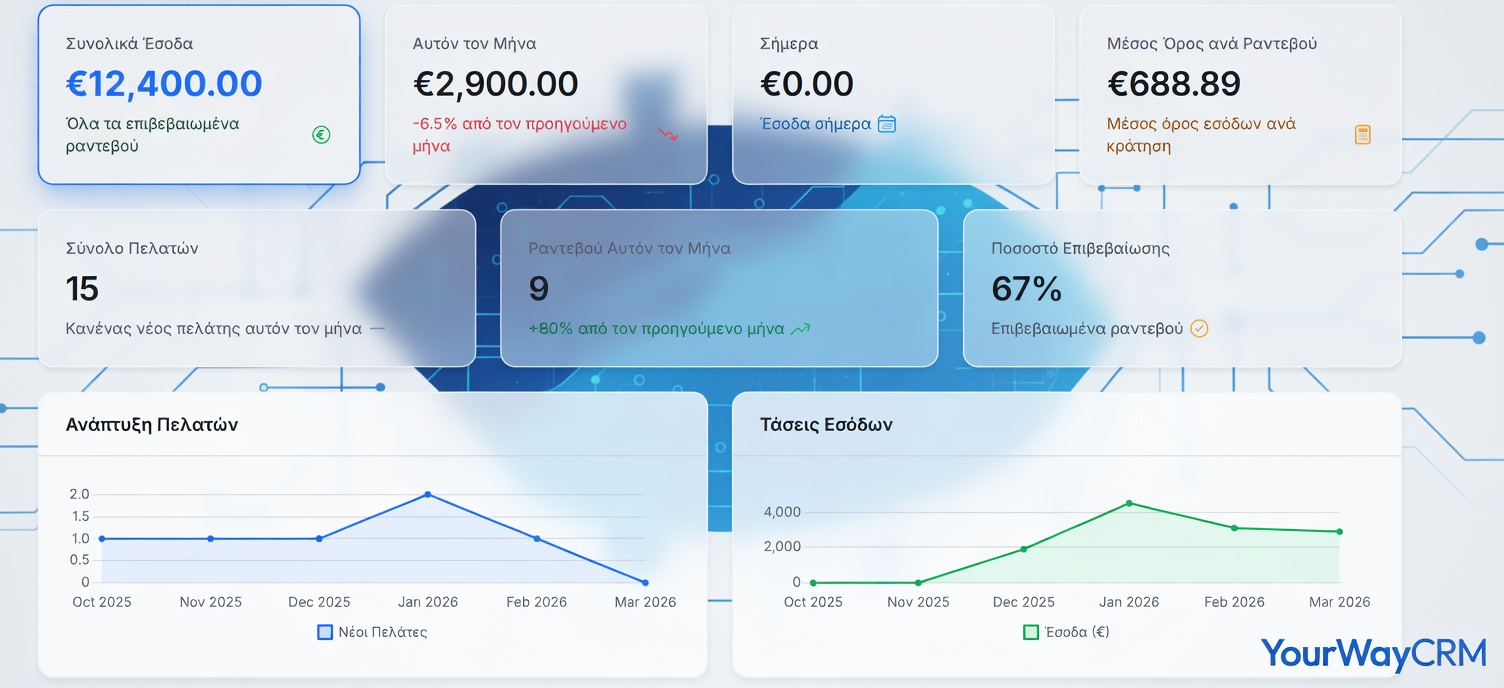
Data-driven decision-making is critical for educational institutions. Comprehensive reporting and analytics capabilities help administrators track enrollment trends, monitor student success metrics, identify recruitment bottlenecks, and measure program effectiveness. These insights inform strategic planning and resource allocation.
Integration with Academic Systems
Educational CRM systems should integrate seamlessly with existing academic management systems, student information systems (SIS), and other institutional software. This integration eliminates data silos and ensures information consistency across platforms.
Workflow Automation
Automating routine administrative tasks frees staff to focus on meaningful student interactions. Educational CRM platforms should support automated workflows for application processing, document requests, payment reminders, and notification scheduling.
Implementing CRM in Your Educational Institution
Assess Your Current Needs
Begin by evaluating your institution's specific challenges. Are you struggling with enrollment management? Do advisors spend too much time on administrative tasks? Are communication efforts fragmented? Understanding your pain points will guide your CRM selection and implementation strategy.
Choose the Right Platform
Select a CRM solution specifically designed for educational institutions. Platforms like YourWayCRM offer features tailored to school needs, including student lifecycle management, communication tools, and reporting capabilities. Ensure the platform is user-friendly for both staff and students.
Plan Your Implementation
Successful CRM implementation requires careful planning. Develop a timeline, assign clear responsibilities, and establish data migration procedures. Ensure all stakeholders understand how the system will benefit their work.
Train Your Team
Comprehensive training is essential for adoption. Provide role-specific training for admissions staff, advisors, financial aid personnel, and student services teams. Ongoing support and resources help staff maximize the platform's benefits.
Monitor and Optimize
After implementation, regularly review usage metrics and gather feedback. Identify areas for improvement and continuously optimize workflows. As your institution's needs evolve, your CRM system should adapt accordingly.
Real-World Impact of Educational CRM
Institutions implementing CRM systems report significant improvements across multiple areas. Schools experience higher enrollment rates through better lead management, improved student satisfaction through personalized communication, and increased staff efficiency through automation. Additionally, data-driven insights help institutions make strategic decisions about program development and resource allocation.
Conclusion
Student Relationship Management through dedicated CRM platforms is transforming how educational institutions operate. By centralizing data, improving communication, automating processes, and providing actionable insights, CRM systems help schools deliver better student experiences while improving operational efficiency. Whether you're a small school or a large university, implementing an appropriate CRM solution positions your institution for success in an increasingly competitive educational landscape.