CRM for Event Planning: Managing Vendor and Client Relationships
Event planning is a complex juggling act. You're coordinating multiple vendors, managing client expectations, tracking budgets, and ensuring every detail comes together perfectly. For small business event planners, the chaos can quickly become overwhelming without the right tools. That's where a customer relationship management (CRM) system becomes invaluable.
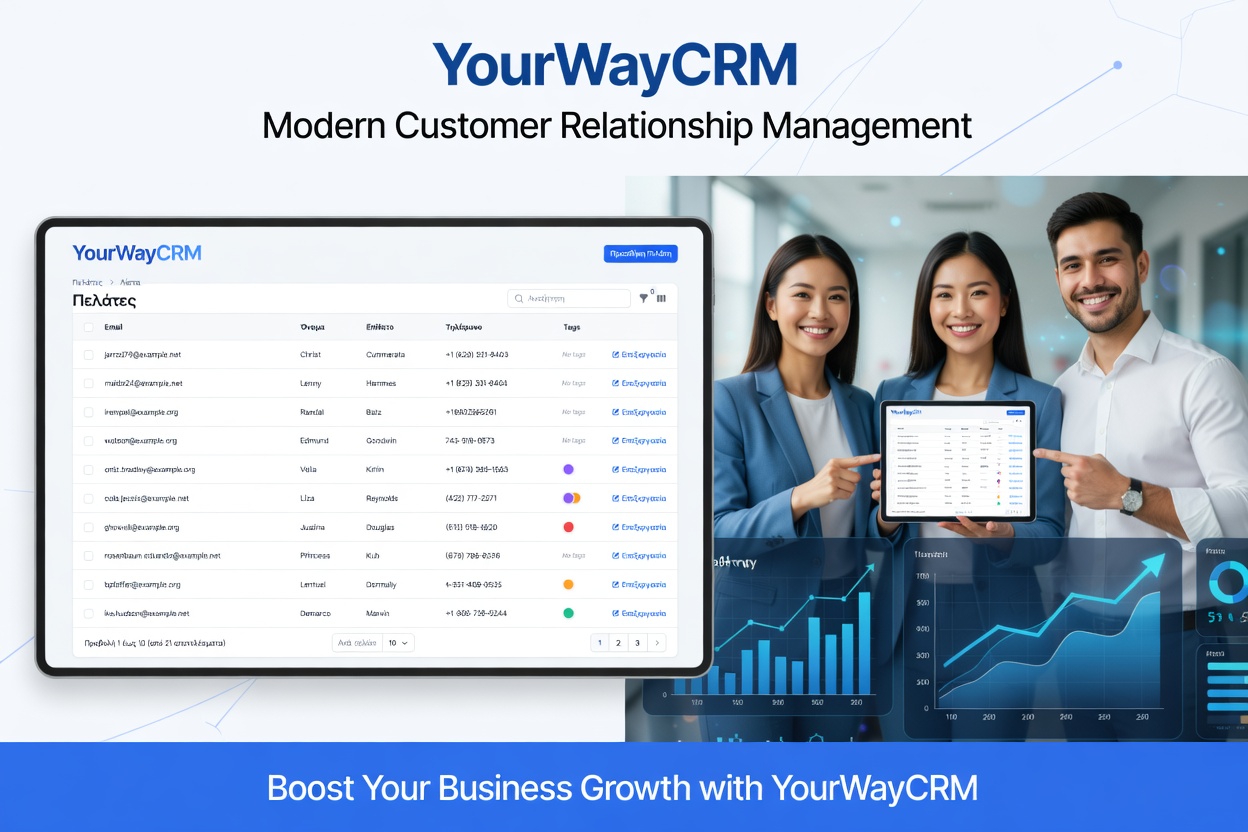
A CRM platform designed for event planning helps you centralize all your vendor and client information, streamline communication, and maintain detailed records of every interaction. Instead of juggling spreadsheets, emails, and scattered notes, you can manage your entire event ecosystem from one organized dashboard.
Why Event Planners Need a CRM System
Event planning involves constant communication with multiple stakeholders. You need to track vendor contracts, client preferences, payment schedules, and countless details that could derail an event if missed. Without proper organization, important information gets lost, deadlines slip, and relationships suffer.
A CRM system solves these problems by providing:
- Centralized contact management: Store all vendor and client information in one searchable database
- Communication history: Access every email, call, and note related to a specific vendor or client
- Task automation: Set reminders for important deadlines and follow-ups
- Document storage: Keep contracts, invoices, and agreements organized and accessible
- Timeline visibility: See the complete event lifecycle from booking to completion
Managing Client Relationships More Effectively
Your clients are the foundation of your event planning business. Building strong relationships with them leads to repeat bookings, referrals, and positive reviews. A CRM helps you nurture these relationships by keeping you organized and responsive.
When you use a CRM like YourWayCRM, you can:
- Record client preferences, past events, and special requests in their profile
- Track all communication touchpoints to provide personalized service
- Set automated reminders for follow-ups and check-ins
- Monitor client satisfaction and address concerns promptly
- Create detailed event timelines that keep clients informed
With this level of organization, you'll never miss a client deadline, forget important details, or fail to follow up. Clients appreciate planners who remember their preferences and stay on top of every detail. A CRM helps you deliver that level of service consistently.
Streamlining Vendor Coordination
Managing vendors is one of the most time-consuming aspects of event planning. You're coordinating with caterers, florists, photographers, musicians, decorators, and countless other service providers. Each vendor has different requirements, timelines, and communication styles.
A CRM system simplifies vendor management by:
- Storing vendor profiles: Keep contact information, rates, availability, and past performance in one place
- Tracking contracts and agreements: Maintain digital copies of all vendor contracts with key terms and deadlines
- Managing payments: Record invoice dates, payment amounts, and due dates
- Rating and reviews: Document vendor performance to make better decisions for future events
- Automated communication: Send coordinated messages to multiple vendors simultaneously
When vendor information is organized in a CRM, you can quickly reference their rates, availability, and past performance. You'll avoid double-booking vendors, missing payment deadlines, or hiring someone who didn't perform well previously. This efficiency saves time and money while ensuring quality results.
Improving Communication and Coordination
Event planning requires constant communication between clients, vendors, and your team. Without a central system, messages get lost, information gets duplicated, and miscommunication leads to costly mistakes.
A CRM provides a communication hub where you can:
- Log all client and vendor interactions in one timeline
- Share notes with team members so everyone stays informed
- Send bulk messages to vendors about event details or changes
- Track response times and follow-up needs
- Create a paper trail for accountability and dispute resolution
This transparency ensures that nothing falls through the cracks and that all parties are on the same page. When clients and vendors know you're organized and responsive, they trust your ability to deliver exceptional events.
Tracking Event Details and Deadlines
Every event has dozens of moving parts with interconnected deadlines. The caterer needs the final headcount by a certain date, the florist needs design approval weeks in advance, and the venue needs setup details before the event. Missing even one deadline can cascade into problems.
A CRM helps you stay on top of these details by:
- Creating event timelines with all key milestones
- Setting automated reminders for upcoming deadlines
- Assigning tasks to team members with due dates
- Tracking which tasks are complete and which need attention
- Providing visibility into event status at a glance
With a clear timeline and automated reminders, you'll never miss a critical deadline. Your team stays coordinated, vendors deliver on time, and events run smoothly.
Building Your Reputation Through Organization
As a small business event planner, your reputation is everything. Clients remember planners who are organized, responsive, and detail-oriented. A CRM helps you consistently deliver that experience.
When you use a CRM to manage vendor and client relationships, you're investing in your business's reputation. You'll handle more events with less stress, provide better service to clients, and build stronger vendor partnerships. These benefits translate into repeat business, referrals, and sustainable growth.
Getting Started with a CRM for Event Planning
If you're ready to streamline your event planning business, start by choosing a CRM that fits your needs. Look for features specifically useful for event planners, such as timeline management, vendor tracking, and communication tools. YourWayCRM offers customizable solutions that help small business event planners organize their operations and grow their business.
Begin by importing your existing vendor and client data, then gradually build out your CRM with detailed profiles and communication histories. As you use the system for each event, you'll discover how much time and stress it saves you. Your clients will notice the improved service, and your vendors will appreciate the clear communication and organization.
Event planning is demanding, but with the right CRM system, you can manage vendor and client relationships more effectively than ever before. Focus on creating amazing events while your CRM handles the organizational details.