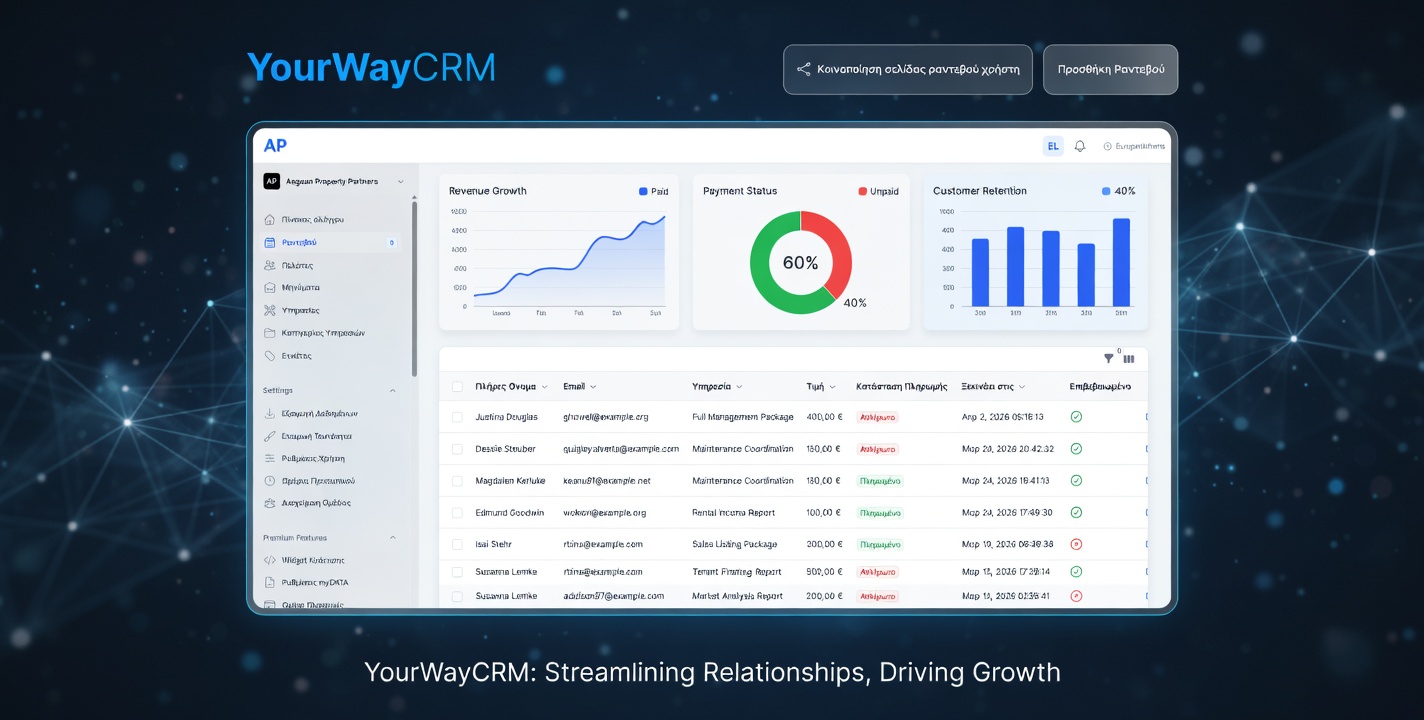
CRM for Manufacturing: Sales Pipeline Management
Manufacturing companies face unique sales challenges. Long sales cycles, complex procurement processes, and multiple decision-makers require a strategic approach to pipeline management. A robust CRM system designed for manufacturing can transform how you track, manage, and accelerate your sales opportunities.
Why Manufacturing Sales Pipelines Are Different
Manufacturing sales cycles are notoriously longer than other industries. B2B buyers need detailed specifications, quotes, samples, and approval from multiple stakeholders. Unlike retail or service-based businesses, you can't simply close a deal in a single conversation. Your sales team needs visibility into every stage of the buying journey.
Traditional spreadsheets and manual tracking systems fail manufacturing companies. They create data silos, miss follow-up opportunities, and provide no real-time visibility into pipeline health. This is where a dedicated CRM becomes invaluable.
Key Benefits of CRM for Manufacturing Sales
- Centralized Deal Tracking: Keep all opportunities in one searchable location with complete history and notes
- Pipeline Visibility: See exactly where each prospect stands in your sales process at a glance
- Automated Workflows: Trigger follow-ups and reminders so nothing falls through the cracks
- Accurate Forecasting: Predict revenue based on realistic pipeline data, not guesswork
- Team Collaboration: Enable salespeople to share information and coordinate on complex deals
- Historical Records: Build institutional knowledge about customer preferences and buying patterns
Structuring Your Sales Pipeline for Manufacturing
A well-designed pipeline reflects your actual sales process. Most manufacturing companies benefit from these stages:
- Prospecting: Identified potential customers and initial contact made
- Qualification: Confirmed the prospect has a genuine need and budget
- Proposal/Quote: Submitted formal pricing and specifications
- Negotiation: Working through terms, pricing, or custom requirements
- Approval: Waiting for buyer approval from multiple stakeholders
- Closed Won: Deal completed and ready for fulfillment
- Closed Lost: Opportunity ended without a sale
With a CRM like YourWayCRM, you can customize these stages to match your exact process. Add fields for quote amounts, decision-maker names, and technical specifications so your team has all the context they need.
Best Practices for Manufacturing Pipeline Management
Set Clear Deal Qualification Criteria
Not every prospect deserves equal attention. Define what makes a qualified opportunity: minimum order value, decision-maker engagement, timeline, and budget confirmation. This prevents your pipeline from becoming bloated with low-probability deals.
Track Multiple Stakeholders
Manufacturing purchases involve engineers, procurement managers, finance teams, and executives. Your CRM should capture all key contacts and their roles. This helps you understand buying dynamics and identify where decisions are stalling.
Document Everything
Add detailed notes after every customer interaction. Record what was discussed, objections raised, next steps agreed upon, and follow-up dates. This ensures continuity if another team member needs to step in.
Monitor Pipeline Health Metrics
Track average deal size, sales cycle length, and win rate by salesperson or product line. YourWayCRM's reporting features help identify bottlenecks and coaching opportunities. Are deals stalling in the negotiation stage? Is one product line converting better than another?
Implement Regular Pipeline Reviews
Schedule weekly or bi-weekly pipeline reviews with your sales team. Use your CRM to identify deals at risk, opportunities ready to close, and gaps in the pipeline. This keeps everyone focused on activities that drive revenue.
Automating Manufacturing Sales Workflows
Manufacturing teams often juggle multiple deals simultaneously. Automation reduces manual work and ensures consistency. Consider automating:
- Quote follow-ups after 3 days of no response
- Reminders to check in with prospects in negotiation for 2+ weeks
- Alerts when a decision-maker views your proposal email
- Task creation for the fulfillment team once deals close
These automated workflows free your salespeople to focus on relationship-building and closing deals rather than administrative tasks.
Improving Sales Cycle Efficiency
Manufacturing companies can reduce sales cycles by identifying and removing bottlenecks. Common delays include:
- Slow quote turnaround times
- Missing technical specifications from the customer
- Unclear approval processes on the buyer's side
- Inadequate follow-up on stalled deals
Your CRM provides visibility into these delays. If deals consistently stall during the approval stage, your sales team can proactively work with buyers to expedite internal approvals. If quote requests take too long, you can streamline your quoting process.
Integrating CRM with Your Manufacturing Operations
The best CRM systems connect sales with operations. Once a deal closes in your CRM, the information should flow directly to your production and fulfillment teams. This prevents miscommunications and delays. YourWayCRM integrates with common manufacturing tools to ensure seamless data flow across your organization.
Getting Your Team Aligned
Implementing a CRM is only successful if your team uses it consistently. Invest time in training and establish clear expectations about data entry and pipeline discipline. Make it easy for salespeople to see the value—show how better pipeline visibility leads to faster commissions and more predictable forecasting.
Conclusion
Manufacturing sales pipelines are complex, but a well-implemented CRM transforms chaos into clarity. By centralizing data, automating workflows, and providing real-time visibility, you'll accelerate deals, improve forecasting accuracy, and empower your team to sell more effectively. Whether you're managing a handful of salespeople or a distributed team, a CRM built for manufacturing companies ensures nothing falls through the cracks.