Why CRM Reporting Matters for Your Business
In today's competitive landscape, small business owners face an overwhelming amount of data. Customer interactions, sales pipelines, marketing campaigns, and service requests all generate valuable information. But here's the challenge: raw data alone doesn't help you make better decisions. You need insights.
This is where CRM reporting comes in. A robust CRM reporting system transforms scattered customer data into clear, actionable insights that guide your business strategy. Whether you're tracking sales performance, identifying customer trends, or measuring campaign effectiveness, quality reporting is the foundation of smart decision-making.
Understanding Your Sales Pipeline
One of the most critical applications of CRM reporting is gaining visibility into your sales pipeline. Many small business owners operate based on gut feeling, but this approach leaves money on the table.
With proper CRM reporting, you can see:
- How many deals are at each stage of your sales process
- Which deals are likely to close and which are stalled
- Average deal size and sales cycle length
- Win rates by sales representative or product category
- Revenue forecasts based on current pipeline health
When you understand your pipeline thoroughly, you can identify bottlenecks, allocate resources more effectively, and coach your team to improve performance. Instead of hoping deals close, you can actively manage them with data-backed strategies.
Identifying Customer Trends and Patterns
Your customers tell you a lot about your business if you know how to listen. CRM reporting helps you uncover patterns that might otherwise remain hidden.
Look for trends like:
- Which customer segments generate the most revenue
- Which products or services have the highest profit margins
- Customer lifetime value by acquisition channel
- Churn rates and reasons customers leave
- Seasonal patterns in purchasing behavior
These insights allow you to double down on what works. If you discover that customers acquired through referrals have a 40% higher lifetime value, you can invest more in your referral program. If certain product bundles consistently sell together, you can create targeted marketing campaigns around them.
Measuring Marketing ROI
Marketing budgets are precious for small businesses, and every dollar should deliver measurable results. CRM reporting connects your marketing efforts directly to business outcomes.
Track metrics like:
- Cost per lead by marketing channel
- Lead quality and conversion rates
- Revenue generated from each campaign
- Marketing ROI by channel or campaign
- Customer acquisition cost versus lifetime value
With this data, you can stop guessing which marketing tactics work best. You'll know exactly which channels deserve more investment and which ones drain resources without delivering results. This is how small businesses compete with larger competitors—through smarter, more efficient spending.
Optimizing Your Team's Performance
Your team is your most valuable asset, and CRM reporting helps you develop them effectively. Instead of relying on subjective assessments, use data to identify coaching opportunities and celebrate wins.
Monitor key performance indicators like:
- Calls made and meetings scheduled per representative
- Deal close rates and average deal size
- Customer satisfaction scores
- Activity levels and engagement metrics
- Time spent on different tasks or stages
When you have this visibility, you can recognize top performers, identify struggling team members who need support, and implement training that addresses actual gaps. This data-driven approach to team management leads to better results and higher employee satisfaction.
Forecasting and Planning for Growth
Strategic planning requires accurate forecasting, and CRM reporting provides the foundation for reliable predictions. By analyzing historical data and current trends, you can project future revenue, identify growth opportunities, and plan resource allocation accordingly.
This is especially valuable when:
- Preparing budgets for the coming year
- Planning hiring needs
- Setting realistic growth targets
- Identifying seasonal fluctuations to manage cash flow
- Evaluating the viability of new product launches or market expansion
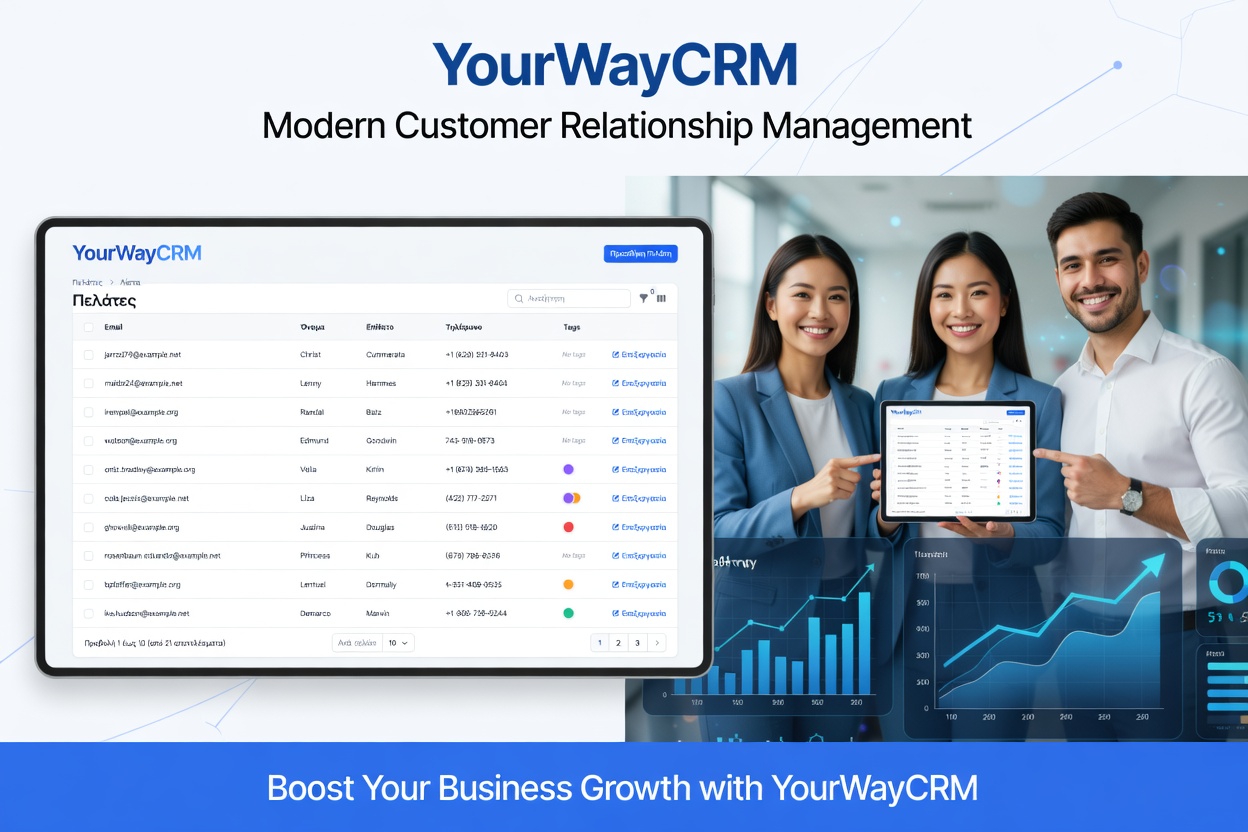
With YourWayCRM, small business owners can generate comprehensive reports quickly and easily, without needing a data analyst on staff. The platform's intuitive reporting tools make it simple to extract insights and share them with your team.
Making Data-Driven Decisions
The ultimate goal of CRM reporting is to shift your decision-making from intuition to evidence. This doesn't mean ignoring your experience and judgment—it means combining them with hard data.
When you have clear reporting in place, you can:
- Justify business investments with concrete ROI projections
- Explain strategy changes to your team based on data
- Identify problems before they become crises
- Celebrate successes and learn from failures systematically
- Build a culture of accountability and continuous improvement
The businesses that thrive in competitive markets are those that make decisions based on evidence rather than emotion. CRM reporting gives you that evidence.
Getting Started with CRM Reporting
If you haven't implemented CRM reporting yet, now is the time. Start by identifying your most critical business questions: What do you most need to understand about your sales process? Your customers? Your team's performance?
Then set up reports that answer those questions. You don't need to track everything—focus on the metrics that directly impact your business goals. As you become more comfortable with reporting, you can expand to more detailed analysis.
Remember, the goal isn't to create reports for the sake of it. The goal is to gain insights that lead to better decisions and better results. When you use CRM reporting strategically, you'll find yourself making faster decisions, allocating resources more effectively, and ultimately growing your business more successfully.