CRM for SaaS Companies: Reducing Churn
For SaaS companies, customer churn is the silent killer that directly impacts revenue and growth. While acquiring new customers is expensive, losing existing ones is even more costly. In fact, studies show that it costs 5-25 times more to acquire a new customer than to retain an existing one. This is where a strategic CRM system becomes invaluable.
A well-implemented CRM doesn't just manage customer data—it becomes your retention powerhouse. By centralizing customer information, tracking engagement patterns, and enabling proactive outreach, a CRM helps SaaS companies identify at-risk customers before they leave and implement targeted retention strategies.
Why SaaS Churn Happens
Understanding churn begins with knowing why customers leave. Common reasons include:
- Poor customer onboarding: Customers who don't experience quick value often abandon the platform
- Lack of engagement: When customers feel forgotten, they explore alternatives
- Unresolved support issues: Frustration with customer service drives departures
- Feature gaps: Missing functionality that competitors offer
- Budget constraints: Economic pressures force cost-cutting decisions
A robust CRM helps you address each of these factors systematically.
How CRM Reduces SaaS Churn
1. Track Customer Health Scores
The most effective churn prevention starts with visibility. A CRM like YourWayCRM enables you to create customer health scores that aggregate key metrics—login frequency, feature usage, support tickets, and payment history. By monitoring these indicators, you can quickly identify customers sliding toward cancellation and intervene before it's too late.
When a health score drops below a threshold, your team receives alerts, triggering automated workflows that prompt outreach campaigns, special offers, or check-in calls.
2. Personalize Customer Engagement
Generic communication doesn't retain customers. A CRM centralizes customer interaction history, preferences, and usage patterns, enabling truly personalized engagement. You can segment customers by industry, company size, or use case and deliver targeted messaging that resonates with their specific needs.
This personalization transforms your retention efforts from one-size-fits-all to precision-targeted, dramatically improving response rates and renewal decisions.
3. Streamline Customer Success Workflows
Retention requires coordination across teams. Your customer success, support, and sales teams need unified visibility into each customer's journey. A CRM centralizes this information, ensuring that when a customer logs a support ticket, your team understands their full context—including their account history, recent feature usage, and upcoming renewal date.
This coordination prevents customers from slipping through cracks and ensures consistent, proactive support.
4. Automate Renewal Management
Missed renewal dates are a preventable source of churn. A CRM automates renewal reminders, tracks renewal conversations, and flags at-risk accounts. You can set up workflows that trigger outreach 90 days before renewal, allowing your team to address concerns, showcase new features, or negotiate retention offers.
By automating these critical touchpoints, you ensure no customer falls through the cracks.
5. Enable Data-Driven Retention Strategies
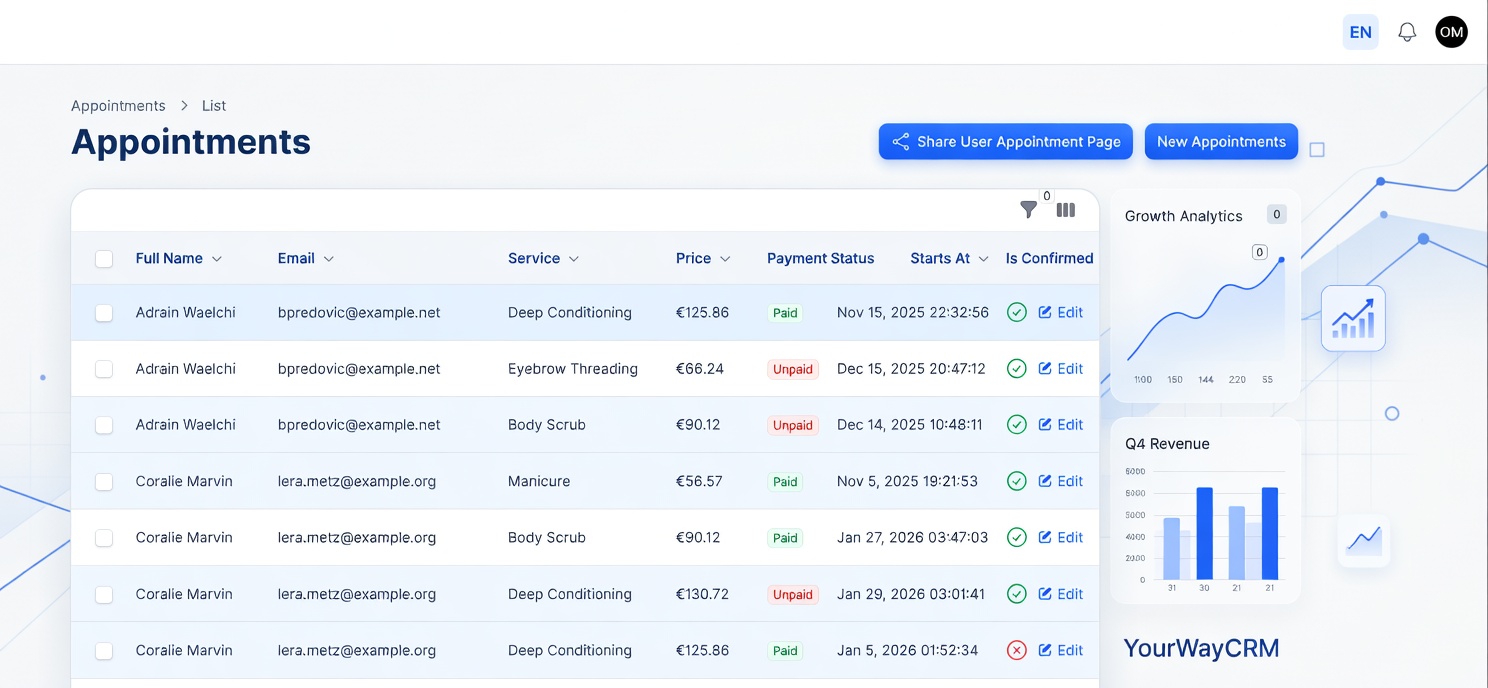
Effective churn reduction relies on insights. A CRM provides analytics dashboards that reveal churn patterns—which customer segments churn most, which features correlate with retention, and which support issues lead to cancellations. Armed with these insights, you can implement targeted strategies that address root causes rather than symptoms.
Building a Churn Prevention Framework
To maximize your CRM's impact on retention, implement a structured approach:
- Define success metrics: Establish what healthy customer engagement looks like for your product
- Create segmentation: Group customers by risk level, company size, or industry to tailor retention efforts
- Build automated workflows: Set up triggers that respond to warning signs—declining usage, support issues, or missed milestones
- Train your team: Ensure customer success, support, and sales teams understand the CRM and churn prevention process
- Monitor and iterate: Regularly review churn metrics and adjust strategies based on what works
The Bottom Line
For SaaS companies, reducing churn is the fastest path to sustainable growth. A CRM like YourWayCRM transforms customer retention from a reactive scramble into a proactive, data-driven strategy. By tracking customer health, personalizing engagement, automating workflows, and enabling data-driven decisions, you create an environment where customers stay longer, expand their usage, and become advocates for your product.
The cost of implementing a CRM is quickly offset by the revenue retained from customers who might otherwise have churned. In SaaS, where lifetime value depends on retention, that's not just a nice-to-have—it's essential.