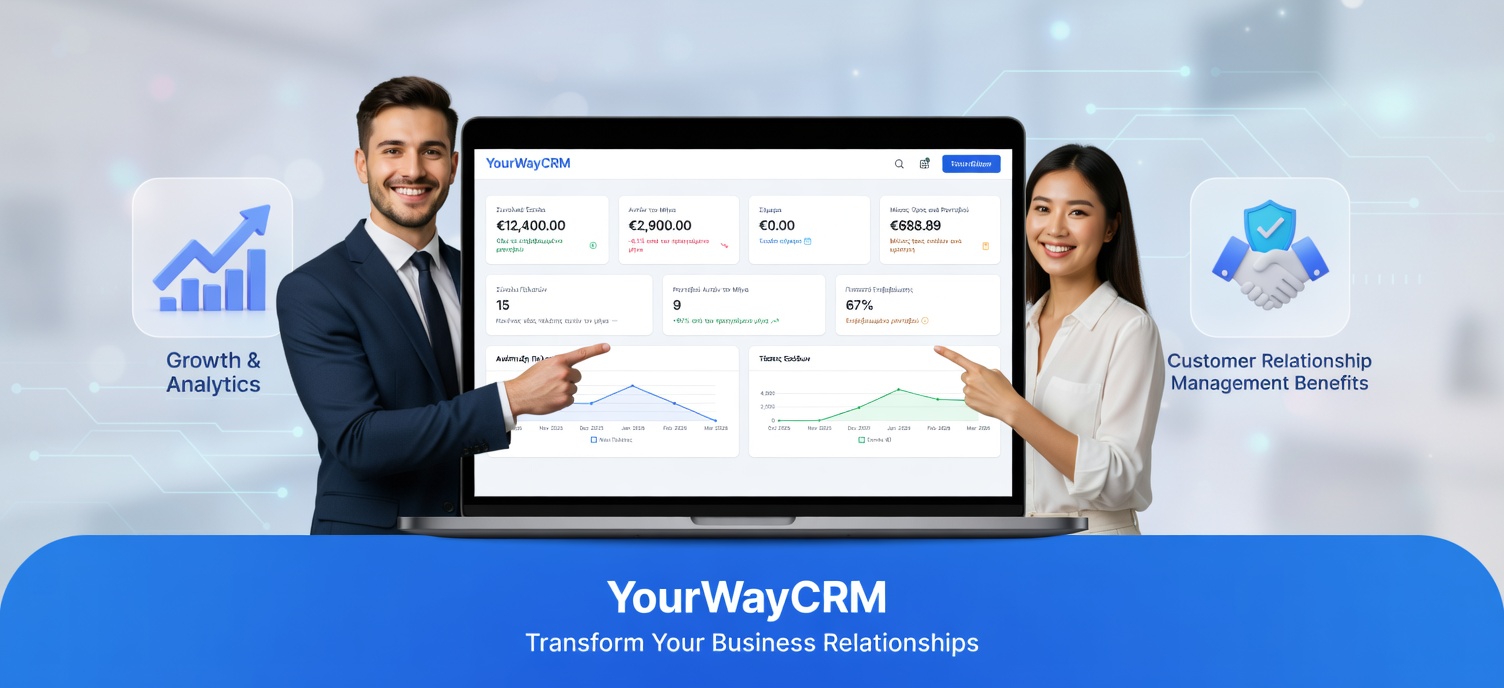
Why Software Development Agencies Need a CRM
Software development agencies juggle multiple moving parts: client expectations, project timelines, team resources, and deliverables. Without proper systems in place, critical information gets lost in email threads, projects slip behind schedule, and clients feel disconnected from progress. This is where a robust CRM becomes invaluable.
A Customer Relationship Management system designed for agencies provides a centralized hub for managing client relationships, project details, and team collaboration. Rather than treating CRM as just a sales tool, forward-thinking agencies recognize it as essential infrastructure for operational excellence.
Key Benefits of CRM for Software Agencies
Centralized Client Information
Every interaction, requirement, and preference your clients share should live in one accessible location. A CRM like YourWayCRM keeps all client data organized—contact information, communication history, project requirements, and budget details. Your entire team can access this information instantly, ensuring consistency and reducing the need to ask clients to repeat themselves.
Real-Time Project Visibility
Project managers and team leads need instant visibility into project status. A CRM with project management features allows you to track milestones, deadlines, deliverables, and resource allocation in real-time. Clients appreciate transparency, and you gain the ability to identify bottlenecks before they become problems.
Improved Client Communication
Miscommunication is a common source of project delays and client dissatisfaction. A CRM maintains a complete communication timeline—emails, calls, meetings, and notes—so nothing falls through the cracks. Team members understand what's been discussed, what's been promised, and what's pending.
Better Resource Planning
Software agencies often work on multiple projects simultaneously with limited resources. A CRM helps you see which developers, designers, and project managers are available, when they're free, and how their workload is distributed. This prevents overallocation and ensures quality work.
Essential CRM Features for Agencies
Contact and Account Management
Organize all client information in detailed contact records. Track decision-makers, stakeholders, and key contacts. Maintain account hierarchies for enterprise clients with multiple departments or locations. Having this structure prevents confusion and ensures you're reaching the right people.
Project Tracking and Milestones
Link projects to client accounts and break them into phases and milestones. Assign tasks to team members, set deadlines, and monitor progress. Visual timelines and status dashboards help everyone understand where each project stands. YourWayCRM enables you to create custom project views tailored to your agency's workflow.
Activity and Communication Logs
Automatically log calls, emails, and meetings. Add notes after client interactions. This creates an audit trail that protects your agency and helps team members understand client needs and history. When a client calls with a question, you have context immediately available.
Pipeline Management
Track potential clients and projects through your sales pipeline. See which opportunities are qualified, which need follow-up, and which are close to closing. This helps you forecast revenue and allocate business development resources strategically.
Custom Workflows and Automation
Every agency has unique processes. A flexible CRM lets you create custom workflows that match your methodology. Automate routine tasks like sending follow-up emails, assigning tasks, or updating status fields. This frees your team to focus on high-value work.
Best Practices for Agency CRM Implementation
- Define Your Process First: Before implementing a CRM, document how your agency currently manages clients and projects. Identify pain points and map your ideal workflow.
- Get Team Buy-In: Your CRM only works if your team actually uses it. Involve staff in selection and implementation. Train thoroughly and address concerns.
- Start Simple: Don't try to automate everything immediately. Begin with core functions like contact management and project tracking, then add complexity as your team adapts.
- Maintain Data Quality: A CRM is only as valuable as the data inside it. Establish standards for how information is entered and maintained. Regular audits keep data clean.
- Integrate with Your Tools: Your CRM should work with your existing software—communication tools, project management platforms, and accounting systems. Integration eliminates duplicate data entry.
Measuring CRM Success
Track metrics that matter to your agency. Monitor client satisfaction scores, project delivery timelines, team utilization rates, and sales cycle length. A good CRM provides reporting tools that show whether your investment is paying off.
Look for improvements in client retention, faster project completion, reduced administrative overhead, and better team collaboration. These tangible benefits justify the CRM investment and guide continuous improvement.
Conclusion
Software development agencies operate in a complex environment where client satisfaction, project delivery, and team efficiency are critical to success. A purpose-built CRM like YourWayCRM transforms how you manage relationships and projects. By centralizing information, improving communication, and automating routine tasks, you free your team to focus on what they do best—delivering exceptional software solutions. Start with a CRM that fits your agency's size and needs, implement it thoughtfully, and watch your operational efficiency soar.