Turn Unhappy Customers Into Loyal Advocates With CRM
Every small business owner knows the sting of an unhappy customer. But here's what many don't realize: those moments of frustration are actually golden opportunities. When handled correctly, a dissatisfied customer can become your most vocal brand advocate. The secret? A robust customer relationship management system that enables you to understand, respond to, and resolve issues faster than your competitors.
In today's competitive landscape, customer loyalty isn't built on perfection—it's built on how you respond when things go wrong. Let's explore how CRM technology transforms customer service from a reactive expense into a strategic advantage.
Understanding the Customer Service Gap
When a customer becomes unhappy, they typically go through a critical decision point. Will they give you a chance to fix it, or will they take their business elsewhere? Research shows that 68% of customers leave because they feel the company doesn't care about them. This isn't usually about the product or service itself—it's about feeling heard and valued.
Many small businesses struggle with this because they lack visibility into customer interactions. Support tickets get lost, follow-ups are forgotten, and customers feel abandoned. This is where CRM systems make a dramatic difference by centralizing all customer communication and history in one accessible place.
How CRM Transforms Customer Service
Complete Customer Context
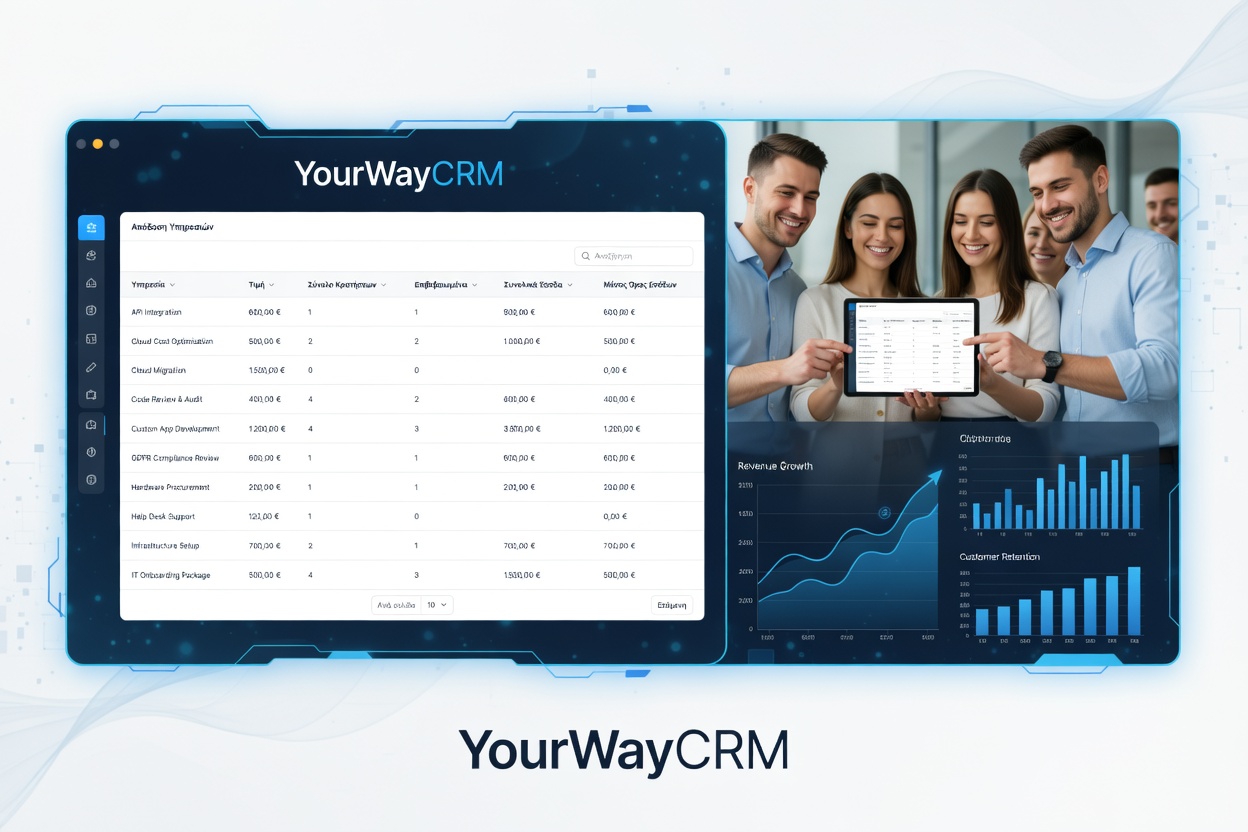
When a frustrated customer contacts your business, your team needs instant access to their complete history. With YourWayCRM, every interaction—emails, calls, previous purchases, and support tickets—lives in one unified profile. Your team member can see exactly what happened, what promises were made, and what the customer expects next. This context transforms conversations from impersonal transactions into genuine problem-solving sessions.
Faster Response Times
Speed matters when customers are upset. CRM systems enable your team to prioritize high-value or long-time customers and escalate critical issues immediately. Automated workflows can trigger notifications when a customer sentiment indicates frustration, ensuring nothing falls through the cracks. The faster you respond, the more likely you are to salvage the relationship.
Personalized Solutions
Generic responses infuriate unhappy customers. They want to feel like valued individuals, not ticket numbers. A CRM helps you personalize interactions by tracking customer preferences, purchase history, and previous concerns. You can reference specific details that show you genuinely understand their situation and have invested time in finding a solution tailored to their needs.
The Journey From Frustration to Advocacy
Step 1: Acknowledge and Validate
The first step in turning an unhappy customer around is making them feel heard. Your CRM should enable your team to quickly document the issue and send a timely acknowledgment. This simple act—showing that you've received their concern and are taking action—dramatically improves customer perception.
Step 2: Take Ownership
Assign a specific person to own the customer's issue. CRM systems make this easy by allowing you to tag team members and track responsibility. Customers appreciate knowing they have a dedicated advocate working on their problem, rather than being passed between departments.
Step 3: Over-Deliver on Resolution
When you resolve the issue, go slightly beyond what's expected. This might mean offering a small discount on their next purchase, a sincere apology, or simply exceptional follow-up to ensure they're truly satisfied. Document this gesture in your CRM so future interactions remember the extra effort you invested.
Step 4: Build Ongoing Relationships
Don't let the relationship end at resolution. Use your CRM to schedule follow-up communications, check in on their satisfaction, and continue providing exceptional service. Customers who feel genuinely cared for become repeat customers and enthusiastic referrers.
Why This Matters for Small Business Growth
Small businesses don't have massive marketing budgets, but they have something bigger: the ability to build genuine relationships. A single satisfied customer who becomes an advocate can bring more value than expensive advertising campaigns. They recommend you to friends, leave positive reviews, and provide honest feedback that helps you improve.
When you use CRM effectively to transform unhappy customers into advocates, you're essentially turning your customer base into a growth engine. These advocates do your marketing for you, and their recommendations carry far more weight than any ad.
Practical CRM Strategies for Small Businesses
- Set up automated alerts for negative feedback or complaint keywords so your team responds immediately
- Create service recovery workflows that outline exactly how to handle different types of complaints
- Track customer satisfaction scores in your CRM to identify trends and areas for improvement
- Implement follow-up reminders to ensure no customer is forgotten after their issue is resolved
- Celebrate customer wins by sharing positive feedback across your team to boost morale and reinforce good service
The Bottom Line
In small business, every customer interaction shapes your reputation. By implementing a CRM system like YourWayCRM, you gain the tools to transform potentially negative experiences into relationship-building opportunities. When customers feel genuinely understood and valued, they don't just return—they become your most powerful marketing asset.
The question isn't whether you can afford a CRM system. It's whether you can afford to miss the opportunity to turn frustrated customers into loyal advocates. In today's competitive market, that difference could be the key to sustainable growth.