Building Multiple Revenue Streams as a Lawyer
Running a solo law practice or small firm means your income often depends heavily on billable hours. While traditional client work remains essential, diversifying your revenue streams can create financial stability, reduce feast-or-famine cycles, and give you more control over your workload. Let's explore practical ways to build multiple income sources while maintaining the integrity of your practice.
Why Diversification Matters for Your Practice
Relying solely on hourly billing creates vulnerability. When clients cancel appointments, economic downturns hit, or you take time off, your income drops immediately. Diversified revenue smooths these fluctuations and allows you to invest in your practice's growth. It also reduces the pressure to take every case that walks through the door, letting you be more selective about clients who fit your practice.
Beyond financial security, diversification often improves your professional satisfaction. Mixing different types of work—some billable, some fixed-fee, some educational—prevents burnout and keeps your practice engaging.
Fixed-Fee and Retainer Services
Move away from hourly billing for certain services. Fixed-fee arrangements for common matters—like document review, contract drafting, or will preparation—create predictable income and simplify client communication about costs. Clients appreciate knowing exactly what they'll pay.
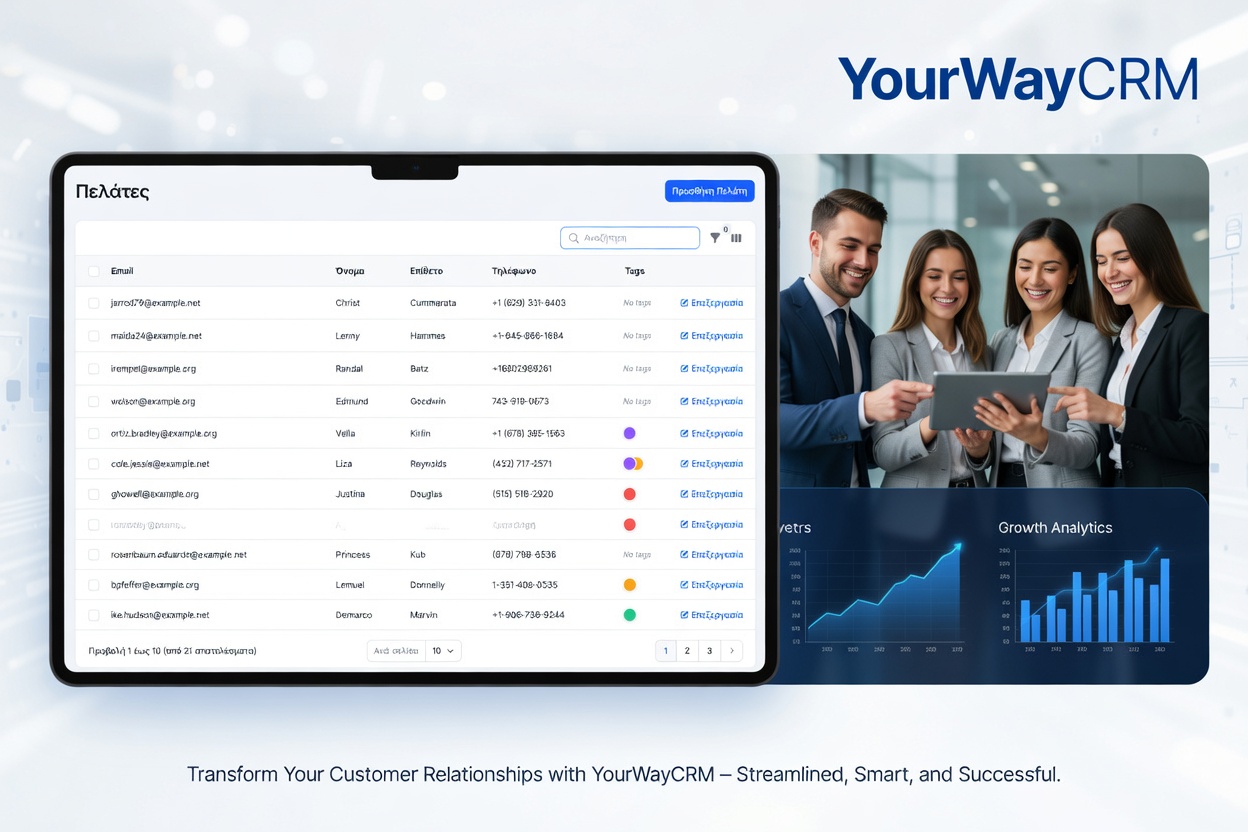
Retainer agreements work particularly well for corporate clients, regular business matters, or ongoing advisory work. Monthly retainers provide consistent income you can rely on, and they often lead to deeper client relationships. Use tools like YourWayCrm to track retainer agreements and ensure you're billing appropriately for the work included.
Document your fixed-fee structure clearly and track time carefully. This helps you refine your pricing over time and ensures you're not undercharging for the value you provide.
Consulting and Advisory Services
Leverage your expertise beyond traditional legal representation. Many businesses need legal guidance without formal representation—compliance reviews, policy development, risk assessment, or strategic advice. These consulting arrangements often command higher rates than hourly billing because they're value-based rather than time-based.
Consulting also builds your reputation and often leads to referrals for traditional legal work. Keep detailed records of consulting engagements separately from your case management to maintain clear boundaries and accurate time tracking.
Educational Content and Training
Create income through webinars, workshops, or online courses for other lawyers, businesses, or professionals in your practice area. Educational content establishes authority, generates leads, and creates passive or semi-passive income. It also keeps you current with industry developments.
You might offer CLE (Continuing Legal Education) programs, business training for entrepreneurs, compliance workshops for corporate clients, or practice management guidance for other lawyers. The key is packaging your expertise in a format others will pay for.
Referral Networks and Strategic Partnerships
Build relationships with other lawyers and professionals who refer work outside their scope. You might receive referral fees for cases you pass to specialists, or vice versa. While you can't share fees with non-lawyers, partnerships with other attorneys create mutual benefit.
Some lawyers develop relationships with accounting firms, financial advisors, or business consultants who regularly refer clients needing legal services. These relationships can generate consistent referral income with minimal additional effort once established.
Practice Area Expansion
Strategically expand into adjacent practice areas that complement your existing work. If you handle business formation, you might add business tax planning. If you do family law, you might add mediation services. Adjacent areas leverage your existing expertise while opening new revenue channels.
Expansion requires investment in learning and marketing, but it diversifies your client base and reduces dependence on any single practice area. It also increases your value to existing clients who may need multiple services.
Streamline Your Operations for Growth
As you diversify income sources, your administrative workload increases. Managing multiple billing models, tracking different engagement types, and maintaining client communication becomes complex. YourWayCrm helps you stay organized by centralizing appointment scheduling, deadline tracking, and client communication across all your revenue streams.
Efficient operations free up your time to focus on income-generating activities rather than administrative tasks. When you're not drowning in scheduling conflicts or missed deadlines, you have energy to develop new services and deepen client relationships.
Practical Steps to Start Diversifying
- Audit your current practice: Identify which services take the most time, which generate the most revenue, and which you enjoy most. This reveals opportunities for fixed-fee services or expansion.
- Start small: Don't overhaul everything at once. Pick one diversification strategy—perhaps fixed-fee services for your most common matter type—and refine it before adding more.
- Track everything: Maintain clear records of time spent, revenue generated, and client satisfaction for each service type. Data guides your decisions about what to expand or reduce.
- Communicate clearly: When you introduce new billing models or services, explain them clearly to clients. Transparency builds trust and prevents misunderstandings.
- Set boundaries: Diversification shouldn't mean working constantly. Build systems that allow you to generate income without your personal involvement in every engagement.
Maintaining Professional Standards
As you diversify, remember that client confidentiality, professional responsibility, and ethical standards apply across all your revenue streams. Whether you're providing traditional legal services, consulting, or educational content, maintain the same professional standards your clients and the profession expect.
Keep clear boundaries between different engagement types. A consulting relationship isn't the same as legal representation, and clients need to understand the difference. Document these distinctions in your engagement letters and client records.
Conclusion
Diversifying income creates financial resilience and professional satisfaction. By combining traditional billable work with fixed-fee services, retainers, consulting, and educational offerings, you build a more stable practice that weathers market changes. The key is starting with one or two strategies, tracking results carefully, and gradually expanding what works. When you're organized and efficient—supported by tools like YourWayCrm—you'll have the bandwidth to develop these new income streams without sacrificing the quality of your core legal practice.