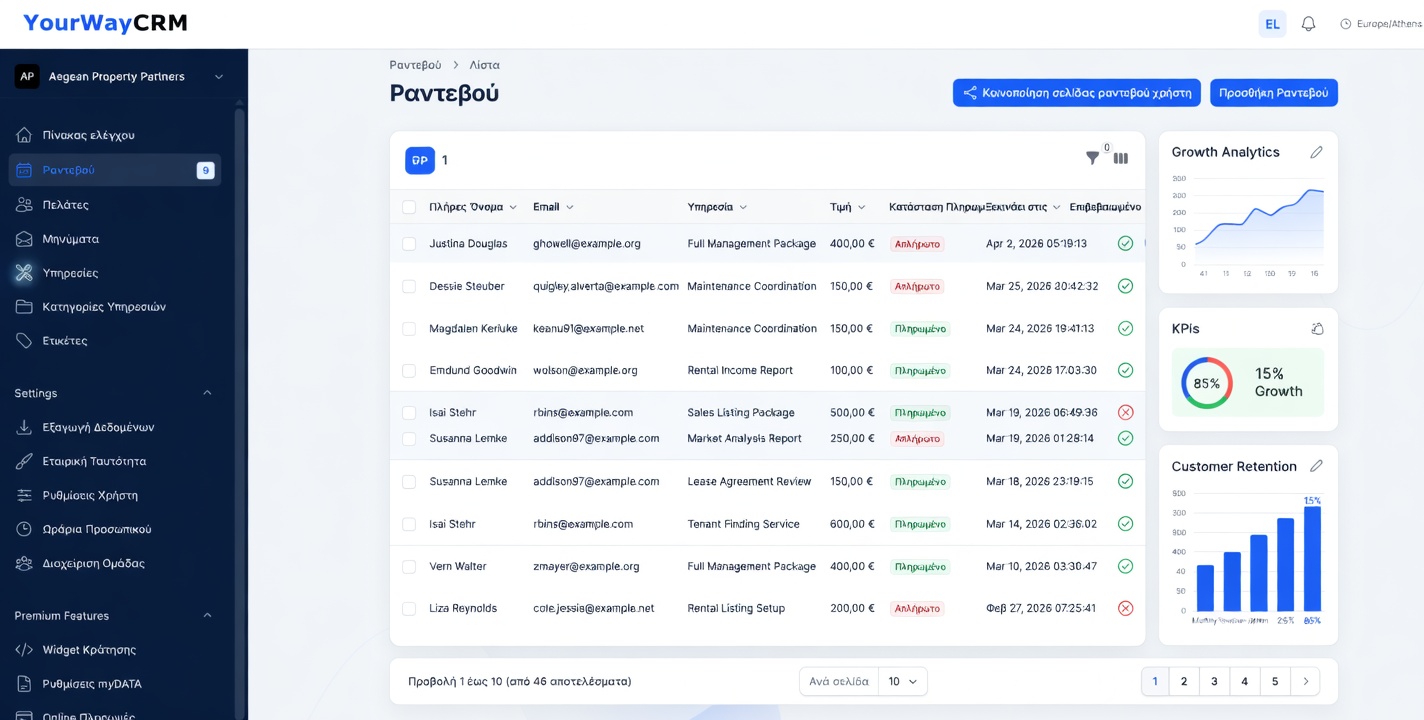
Essential CRM Features Every Business Needs
Choosing the right customer relationship management (CRM) platform can transform how your small business manages customer interactions and drives growth. But with so many options available, knowing which features truly matter can be overwhelming. This guide breaks down the essential CRM features every business should prioritize to streamline operations and boost sales.
Contact Management and Organization
At its core, a CRM must excel at managing customer information. This foundational feature allows you to store, organize, and access all customer details in one centralized location. Your team should be able to quickly retrieve contact information, communication history, and customer preferences without hunting through multiple systems or spreadsheets.
Look for a CRM that offers:
- Centralized contact database with customizable fields
- Easy import and export capabilities
- Duplicate contact detection and merging
- Contact segmentation and tagging options
YourWayCRM provides intuitive contact management that lets you organize customers by company, industry, or custom criteria, making it simple to find exactly who you need, when you need them.
Sales Pipeline and Deal Tracking
A robust sales pipeline feature is critical for visualizing where deals stand in your sales process. This helps your team prioritize efforts, forecast revenue accurately, and identify bottlenecks that might be slowing down conversions.
Your CRM should allow you to:
- Create custom sales stages that match your process
- Drag-and-drop deals between pipeline stages
- Set deal values and track probability of closing
- Automate deal progression based on specific actions
- Generate accurate sales forecasts based on pipeline data
With clear pipeline visibility, your sales team can focus on high-priority opportunities and close deals faster. This transparency also helps management make informed business decisions based on real data.
Communication and Activity Tracking
Every interaction with a customer matters. A quality CRM tracks all communication—emails, calls, meetings, and notes—automatically logging activities so nothing falls through the cracks. This creates a complete history of customer interactions that your entire team can access.
Essential communication features include:
- Email integration and automatic logging
- Call logging and recording capabilities
- Meeting scheduling and reminders
- Activity timeline showing all customer touchpoints
- Task management and follow-up reminders
When your team knows the full context of previous conversations, they can provide better service and avoid redundant communications that frustrate customers.
Reporting and Analytics
Data-driven decision-making requires robust reporting tools. Your CRM should provide clear insights into sales performance, customer behavior, and team productivity. Customizable dashboards and reports help you track metrics that matter most to your business.
Look for reporting capabilities such as:
- Customizable dashboards with key performance indicators (KPIs)
- Sales performance reports by team member or time period
- Customer acquisition cost and lifetime value analysis
- Conversion rate tracking at each pipeline stage
- Scheduled reports sent automatically to stakeholders
Analytics empower you to identify trends, measure ROI on sales efforts, and make strategic adjustments based on real business data.
Automation Capabilities
Time is your most valuable resource as a small business owner. CRM automation eliminates repetitive tasks and ensures consistent processes across your team. Automated workflows can trigger actions based on specific events, freeing up your team to focus on relationship-building and closing deals.
Valuable automation features include:
- Lead scoring to prioritize high-quality prospects
- Automated email sequences for nurturing leads
- Task assignment based on deal stage or customer type
- Automated follow-up reminders
- Workflow automation for common business processes
Mobile Access and Cloud-Based Storage
Modern businesses need access to customer information anytime, anywhere. A cloud-based CRM ensures your data is secure, backed up, and accessible from any device. Mobile apps allow your sales team to update deals, log calls, and access customer information while in the field.
Mobile and cloud features should include:
- Native mobile apps for iOS and Android
- Offline access to critical customer data
- Automatic data synchronization across devices
- Secure, encrypted data storage
Integration with Other Tools
Your CRM shouldn't exist in isolation. It should integrate seamlessly with the other tools your business already uses—accounting software, email platforms, marketing tools, and more. These integrations eliminate data silos and create a unified view of your business operations.
Conclusion
Selecting a CRM with these essential features sets your small business up for sustainable growth and improved customer relationships. YourWayCRM combines all these critical functionalities in an affordable, easy-to-use platform designed specifically for small business needs. By prioritizing contact management, sales pipeline tracking, communication history, reporting, automation, mobile access, and integrations, you'll empower your team to work smarter and close more deals.
The right CRM becomes the backbone of your customer relationships, driving efficiency and revenue growth across your entire organization.