Why Annual Practice Evaluation Matters
Running a successful law practice requires more than handling cases well—it demands regular reflection on how your business operates. An annual evaluation gives you a clear picture of what's working, what needs improvement, and where to invest your resources in the coming year. Without this structured review, it's easy to drift into inefficient habits or miss opportunities for growth.
For solo practitioners and small law offices, annual evaluations are particularly valuable. They help you understand your financial health, identify bottlenecks in client management, and ensure your administrative systems support your goals rather than hinder them.
Review Your Financial Performance
Start with the numbers. Examine your revenue trends, billing rates, and collection rates from the past year. Look at which practice areas generated the most income and which consumed the most time. This data reveals whether your current pricing strategy aligns with market rates and your experience level.
Beyond total revenue, assess your profitability. Calculate your overhead costs, staff expenses, and technology investments. Are you spending too much on tools that don't deliver value? Could better systems reduce administrative time and increase billable hours?
- Compare year-over-year revenue growth
- Track average case value by practice area
- Measure collection rates and outstanding receivables
- Identify your most and least profitable matters
Assess Client Management Efficiency
How well are you managing client relationships and case workflows? Review your client communication patterns, response times, and satisfaction levels. Did clients struggle to reach you or schedule appointments? Did you miss important deadlines or follow-up dates?
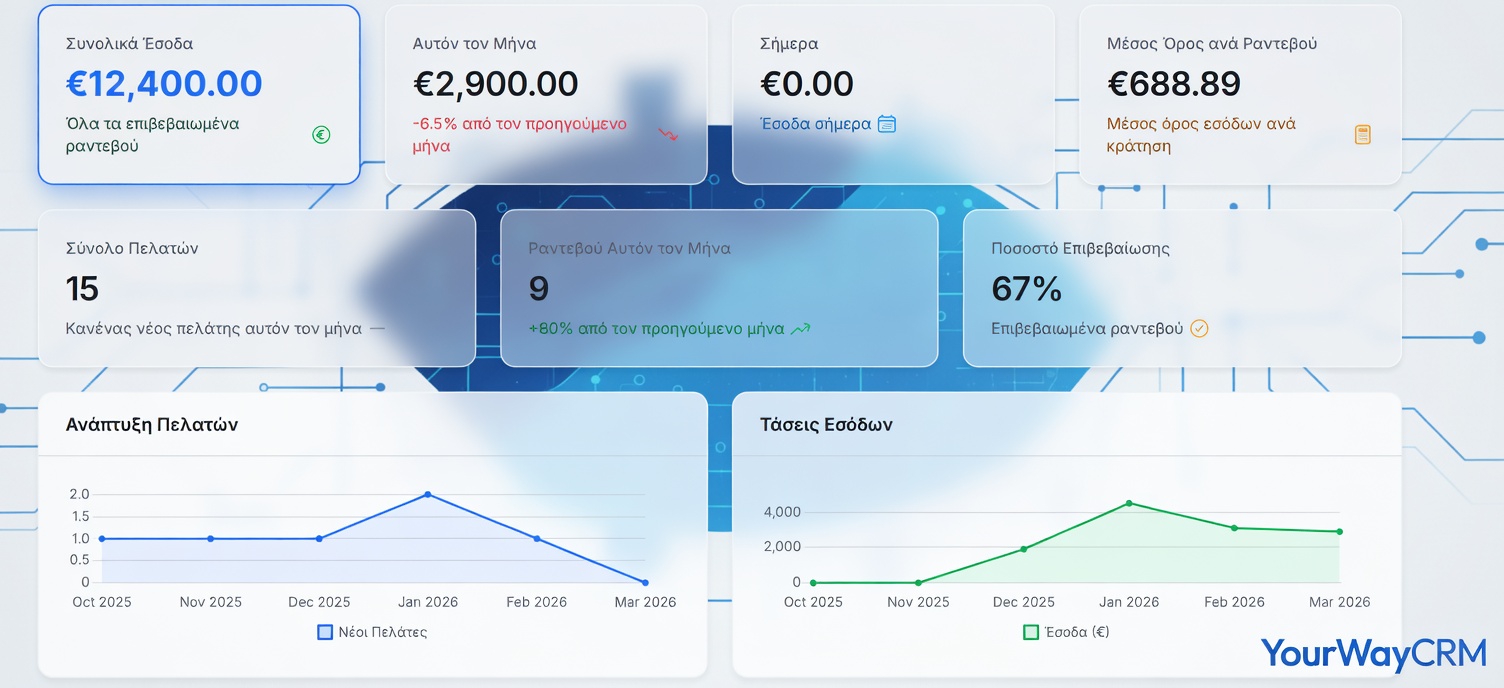
This is where your case management system plays a critical role. If you're using tools like YourWayCrm, pull reports on scheduling efficiency, appointment no-shows, and deadline tracking. These metrics reveal whether your administrative processes are supporting client service or creating friction.
Ask yourself:
- How quickly do you respond to client inquiries?
- Are appointment cancellations creating workflow disruptions?
- Do clients know what to expect at each stage of their matter?
- Are you tracking all important deadlines reliably?
Evaluate Your Administrative Systems
Your practice management infrastructure directly impacts your ability to serve clients and grow your business. Review the tools and processes you use daily: scheduling systems, document management, time tracking, and client communication platforms.
Are these systems integrated or fragmented? If you're juggling multiple disconnected tools, you're wasting time on manual data entry and increasing the risk of errors. A centralized platform that handles scheduling, client records, and deadline management reduces administrative burden and improves consistency.
Consider whether your current setup allows you to:
- Schedule appointments quickly without back-and-forth emails
- Access complete client information instantly
- Track case progress and deadlines in one place
- Generate reports on practice performance
- Maintain accurate records for compliance purposes
Analyze Time Management and Workload
How are you spending your time? Review your calendar and time records to identify patterns. Are you handling too many administrative tasks that could be delegated? Are you spending enough time on high-value legal work versus low-value busywork?
Consider your work-life balance. If you're consistently working evenings and weekends, your systems may not be efficient enough, or you may need to adjust your caseload. Burnout affects the quality of your work and your ability to serve clients well.
Use this analysis to identify opportunities for improvement. Perhaps better scheduling practices could reduce appointment conflicts. Maybe automating routine client communications would free up hours each week. These small changes compound over time.
Assess Your Team and Staff
If you have staff, evaluate their performance and workload. Are they effectively supporting your practice? Do they have the tools and training they need to do their jobs well? Are there gaps in skills or capacity that limit what your office can handle?
Staff satisfaction matters too. Turnover is expensive and disruptive. If you're losing team members regularly, it's worth investigating why and what changes might improve retention.
Review Compliance and Record Keeping
Accurate record keeping is essential in legal practice. Evaluate whether your current systems ensure you're maintaining complete client files, tracking deadlines, and documenting your work appropriately. Poor record-keeping creates liability risks and can damage client relationships if information goes missing.
Ensure your systems support compliance with professional responsibilities. This includes maintaining client confidentiality, managing conflicts of interest, and preserving attorney-client privilege. Your practice management system should make compliance easier, not harder.
Set Goals for the Coming Year
Use your evaluation findings to set realistic, measurable goals for the next year. These might include revenue targets, efficiency improvements, client satisfaction metrics, or work-life balance objectives.
For each goal, identify the specific changes needed. If you want to improve client communication, perhaps you need better appointment reminders. If you want to increase billable hours, maybe you need to streamline administrative tasks with better systems. If you want to reduce stress, you might need to delegate more or set boundaries on your availability.
Take Action on Your Findings
An evaluation only matters if you act on it. Prioritize the changes that will have the biggest impact on your practice. You don't need to overhaul everything at once—focus on the highest-leverage improvements first.
If your current tools aren't meeting your needs, invest in better ones. If your processes are inefficient, redesign them. If you're carrying too much alone, delegate or hire help. Small improvements in how you manage appointments, track deadlines, and communicate with clients can significantly improve both your profitability and your peace of mind.
Annual evaluation isn't just about looking back—it's about building a stronger, more sustainable practice for the year ahead.