Why Client Feedback Matters for Your Law Office
Running a successful law office means constantly improving your client experience and service delivery. Client feedback is invaluable—it reveals what's working, what isn't, and where your team can enhance their performance. However, as a lawyer, you face a unique challenge: gathering honest feedback while maintaining the strict confidentiality obligations that define your profession.
The tension between seeking feedback and protecting confidentiality isn't just a compliance issue—it's fundamental to maintaining client trust. Clients need to know that any information they share, including their opinions about your service, won't compromise their case or breach attorney-client privilege.
Understanding Confidentiality in Feedback Collection
Before implementing any feedback system, clarify what confidentiality means in your context. Client confidentiality protects the substance of legal advice and case details. However, feedback about your office's service—scheduling efficiency, communication quality, or professionalism—typically doesn't involve privileged information.
That said, the manner in which you collect feedback matters. A client might hesitate to criticize your service if they worry the feedback will be linked to their case file or shared with opposing counsel. Your job is to design a system that separates service feedback from case information and assures clients of this separation.
Structuring Anonymous Feedback Systems
The most straightforward approach is anonymity. Anonymous feedback removes the fear that honest criticism will affect their legal representation or be traced back to them.
- Post-engagement surveys: After a matter concludes, send a brief survey asking about scheduling, communication, responsiveness, and professionalism. Don't ask for identifying information beyond what's necessary to route feedback to the right practice area.
- Third-party platforms: Use independent survey tools or feedback platforms that don't link responses to client names or case numbers. This creates a natural barrier between feedback data and case information.
- QR codes and web forms: Place QR codes in your office or on closing documents linking to a generic feedback form. Clients can respond without providing personal details.
- Suggestion boxes: A physical suggestion box in your reception area signals that you welcome candid input without surveillance.
Designing Confidential (But Identified) Feedback
Sometimes you want to follow up on feedback or reward loyal clients. In these cases, you can gather identified feedback while still protecting confidentiality through clear data handling practices.
Separate data streams: Store feedback data separately from case files. If a client provides identified feedback through a form or email, keep it in a dedicated feedback system—not in their case management file. This physical separation reinforces that service feedback won't influence case handling.
Clear consent language: When requesting identified feedback, explain exactly how you'll use the information. For example: "Your feedback about our scheduling system helps us improve. This feedback will not be shared with opposing parties or included in your case file."
Limited access: Restrict who sees feedback data. Your office manager might review scheduling feedback, but your litigation team doesn't need access to client comments about responsiveness. This compartmentalization protects both confidentiality and prevents feedback from creating bias in case handling.
Timing and Context Matter
When you ask for feedback significantly impacts whether clients feel safe being honest. Avoid requesting feedback during active litigation or when a client is emotionally invested in their case outcome. Instead, gather feedback after matters conclude or during routine service interactions unrelated to case strategy.
For ongoing clients, separate feedback collection from case discussions. Don't ask "How are we doing?" in the same conversation where you're discussing case developments. Use different channels—a post-meeting survey rather than a conversation with the attorney handling their matter.
Leveraging Technology for Confidential Feedback
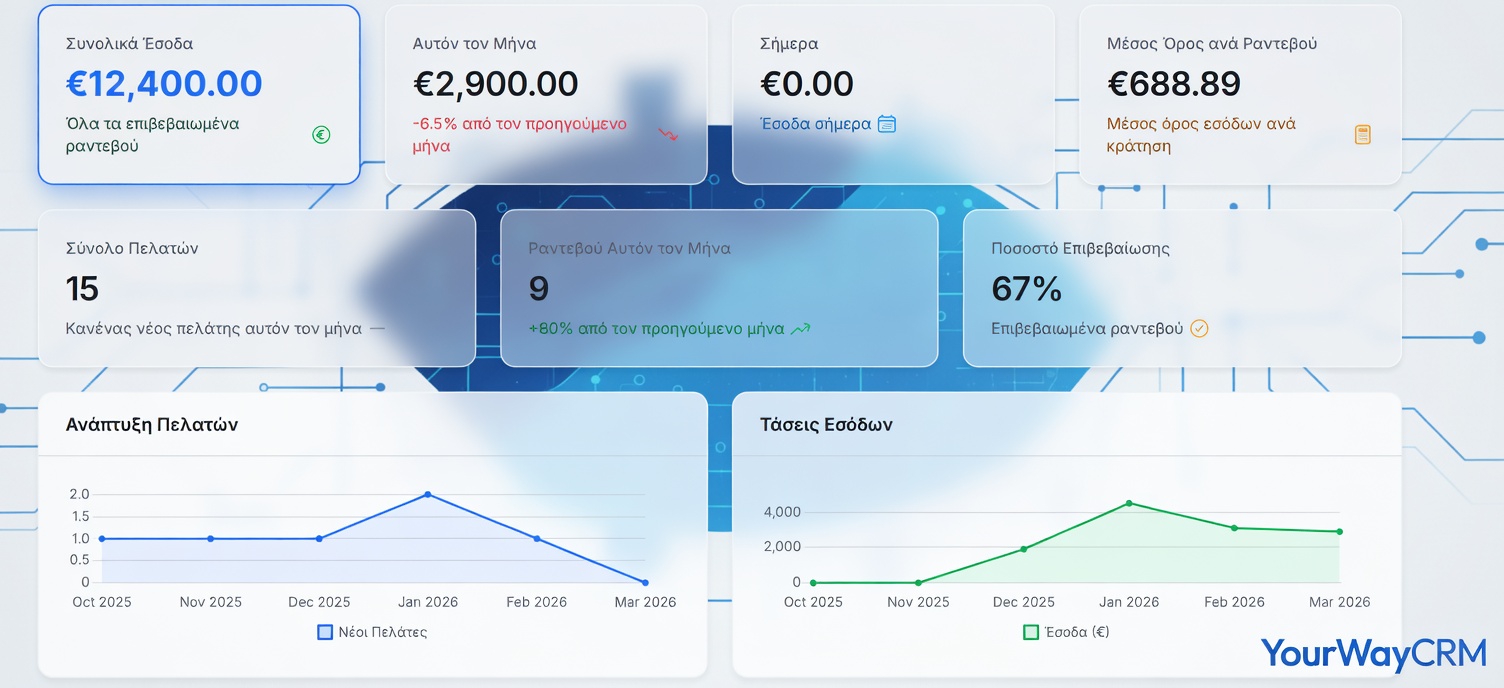
Client management platforms like YourWayCrm can support confidential feedback collection by providing separate feedback modules that don't integrate with case files. This technical separation reinforces your commitment to confidentiality while making feedback collection systematic and scalable.
Look for systems that allow you to:
- Send automated feedback requests at appropriate times (after appointments, after matters close)
- Collect responses through anonymous links
- Aggregate feedback data separately from case management
- Track trends without identifying individual clients
What to Ask (And What Not To)
Frame feedback questions carefully. Ask about your office's operations and service delivery:
- Was scheduling convenient?
- Did we communicate clearly and promptly?
- Did staff treat you professionally?
- How could we improve our service?
Never ask clients to comment on case strategy, legal advice quality, or case outcomes. These questions blur the line between service feedback and legal judgment, and they can create ethical complications. Your goal is feedback about how you run your office, not second-guessing your legal work.
Building a Feedback Culture With Trust
The most important step is communicating your confidentiality commitment clearly. In your feedback requests, explicitly state that feedback won't affect case handling, won't be shared with third parties, and won't be added to case files. This reassurance often matters more than the mechanism itself.
When clients see that you've acted on their feedback—improved scheduling, updated communication protocols, enhanced office efficiency—they'll trust that the system works and that their input is genuinely confidential and valued.
Conclusion
Gathering client feedback doesn't require compromising confidentiality. By designing anonymous systems, separating feedback data from case files, and communicating your confidentiality practices clearly, you can collect valuable insights while maintaining the trust that's essential to your practice. The investment in a thoughtful feedback system pays dividends through improved client satisfaction and a stronger office culture focused on continuous improvement.