The Hidden Admin Hours of Private Practice
If you run a private therapy practice, you already know the reality: the hours you spend with clients are only part of the job. Behind every therapeutic session lies a mountain of administrative work that often goes unacknowledged and untracked. Scheduling conflicts, client notes, cancellation management, invoicing, and compliance documentation can easily consume 10 to 15 hours per week—time that cuts deeply into your personal life and professional energy.
The irony is that many practitioners never formally measure these "hidden hours." They simply overflow into evenings, weekends, and the gaps between appointments. Understanding where your admin time actually goes is the first step toward reclaiming it.
Why Admin Work Multiplies in Private Practice
Unlike therapists working in larger organizations, solo and small-group practitioners carry every administrative responsibility themselves. There's no dedicated receptionist, no billing department, and no compliance officer. You are all of these roles simultaneously.
The Key Culprits Behind Admin Overload
- Manual scheduling and rescheduling: Without a system, coordinating client availability, managing cancellations, and preventing double-bookings becomes a time sink. Each reschedule often requires multiple messages and confirmations.
- Fragmented communication: When clients contact you via email, SMS, phone, and messaging apps, keeping track of all conversations becomes chaotic. Each channel requires separate responses and follow-ups.
- Duplicate data entry: Inputting client information into multiple systems—your calendar, your notes, your invoicing software, your insurance forms—wastes precious time and creates errors.
- Cancellation management: No-shows and last-minute cancellations disrupt your schedule and require constant rescheduling efforts, often involving several back-and-forth messages.
- Record-keeping and documentation: Maintaining organized client files, session notes, treatment plans, and consent forms demands meticulous attention to detail and takes longer than most practitioners anticipate.
- Boundary enforcement: Saying no to out-of-hours requests, managing client expectations around response times, and setting clear policies requires ongoing communication and documentation.
The Real Cost of Unmanaged Admin Work
Beyond the hours lost, unmanaged administrative work creates tangible costs to your practice:
Therapist burnout: When you're spending evenings catching up on notes and emails, your own well-being suffers. Burnout directly impacts the quality of care you provide and your job satisfaction.
Scheduling inefficiency: Manual scheduling leads to gaps in your calendar, missed opportunities to see clients, and inefficient use of your available hours. This directly reduces your earning potential.
Client experience: Slow response times, unclear scheduling processes, and disorganized communication damage the client relationship. Clients expect professional, timely interactions—and they deserve them.
Compliance risks: When documentation is scattered or incomplete, you're vulnerable to missed deadlines, lost records, and potential issues with client confidentiality or GDPR requirements.
Decision fatigue: Making the same administrative decisions repeatedly—how to handle a cancellation, what to say in a confirmation email, where to file a document—drains your mental energy and reduces your capacity for clinical work.
How to Identify Your Hidden Admin Hours
Before you can reduce admin work, you need to see it clearly. For one week, track every non-clinical task you perform. Write down:
- Time spent scheduling and rescheduling appointments
- Time managing cancellations and no-shows
- Time writing session notes and treatment documentation
- Time responding to client emails and messages
- Time managing invoices and payments
- Time organizing files and records
- Time on administrative communication (confirmations, reminders, policy explanations)
Most practitioners are shocked by the total. This honest assessment is the foundation for meaningful change.
Practical Strategies to Reclaim Your Time
Use a Dedicated Practice Management System
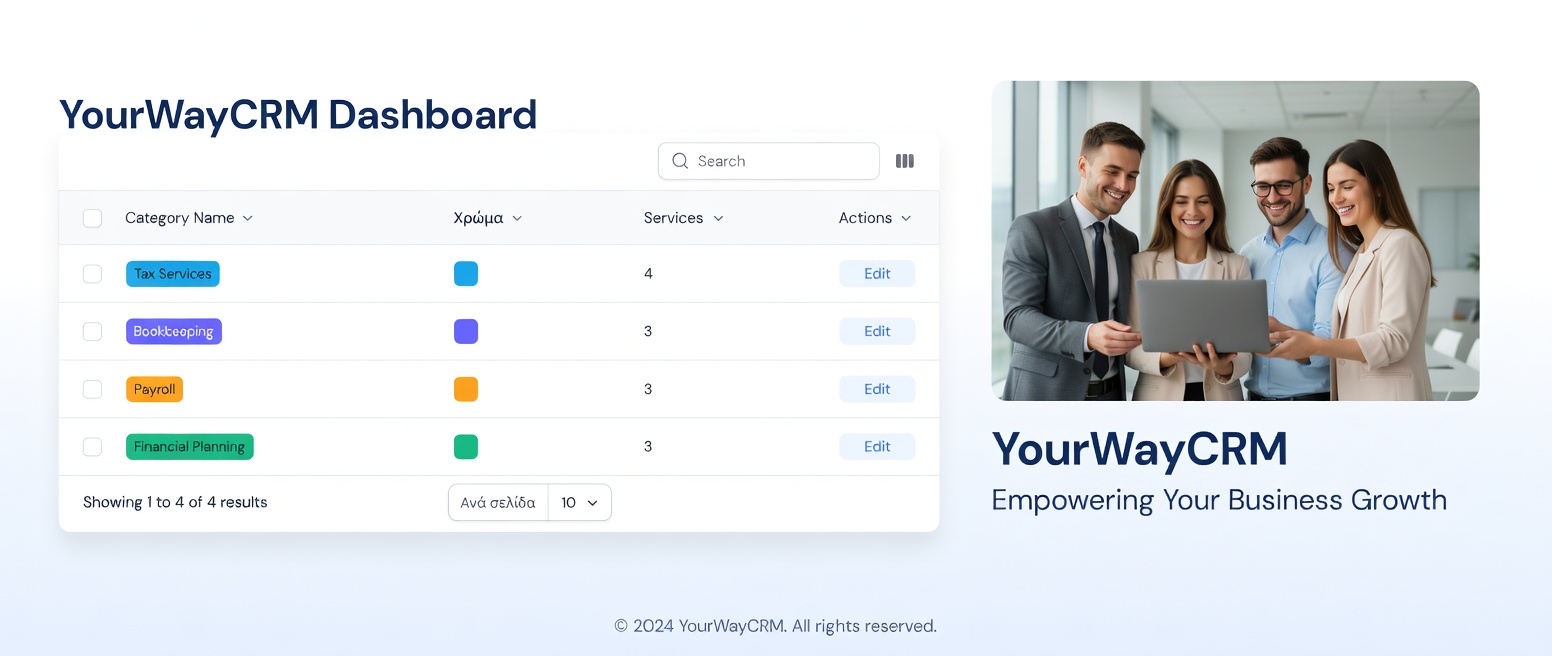
Tools like YourWayCRM consolidate scheduling, client communication, notes, and documentation into one platform. This eliminates duplicate data entry, centralizes client information, and reduces the mental load of juggling multiple systems. Automated reminders reduce no-shows, and integrated messaging keeps all client communication in one place.
Automate Routine Communications
Use templates for common messages: appointment confirmations, cancellation policies, intake reminders, and follow-ups. Automation doesn't mean impersonal—it means you're not rewriting the same email 20 times per week. You can personalize templates as needed while saving enormous amounts of time.
Set Clear Boundaries Around Availability
Establish and communicate your response time expectations. Are you available for messages until 5 PM? Do you respond within 24 hours? Do you have an emergency protocol? Clear boundaries reduce the pressure to respond immediately and prevent clients from contacting you at all hours.
Batch Administrative Tasks
Rather than responding to emails and messages throughout the day, designate specific times—perhaps 30 minutes in the morning and 30 minutes at the end of your workday—for administrative communication. This protects your clinical time and improves focus.
Streamline Documentation
Use consistent note-taking templates that capture essential information without excessive detail. Session notes don't need to be essays. Develop a format that works for you and stick with it. This consistency speeds up documentation and ensures completeness.
Implement a Cancellation Policy
A clear, written cancellation policy—communicated at intake and reinforced periodically—reduces ambiguity and protects your time. When clients understand the expectations, you spend less time negotiating cancellations and managing exceptions.
The Long-Term Impact of Admin Efficiency
When you reduce hidden admin hours, you don't just gain time—you gain perspective. You can see your schedule more clearly, make better decisions about your caseload, and invest in your own professional development and self-care. Your clients benefit from a therapist who is present, organized, and not stretched thin by behind-the-scenes chaos.
The goal isn't to eliminate all administrative work—it's necessary and important. The goal is to manage it intentionally, efficiently, and in a way that doesn't steal from your clinical work or your personal life. By identifying where your hidden hours are going and implementing systems to manage them, you reclaim control of your practice and your well-being.