How to Say No to More Clients
As your mental health practice grows, you'll eventually reach a point where demand exceeds your capacity. Whether you're fully booked, managing a long waitlist, or simply protecting your own wellbeing, knowing how to say no to new clients is essential. This isn't a failure—it's a sign of success and a professional responsibility to your existing clients and yourself.
Saying no doesn't mean losing business or damaging your reputation. In fact, handling client inquiries professionally when you're at capacity demonstrates integrity and helps build trust in your practice. Let's explore practical strategies for declining new clients while maintaining professional relationships.
Why Setting Client Capacity Limits Matters
Before discussing how to say no, it's important to understand why you should. Your practice has a maximum capacity based on several factors:
- Your clinical hours: The number of sessions you can ethically and safely deliver per week
- Your energy and mental health: Burnout directly impacts the quality of care you provide
- Administrative time: Record keeping, treatment planning, and documentation require significant time
- Your specializations: Focusing on your areas of expertise ensures better outcomes
- Waitlist management: A growing waitlist creates pressure and unrealistic expectations
When you exceed your capacity, everyone suffers—your existing clients receive less attention, your administrative work suffers, and your own wellbeing declines. Saying no is actually an investment in the quality of your practice.
Create a Clear Intake and Capacity System
The best time to establish boundaries is before you receive a new inquiry. Implement a system that makes it easy to identify when you're at capacity and communicate this clearly.
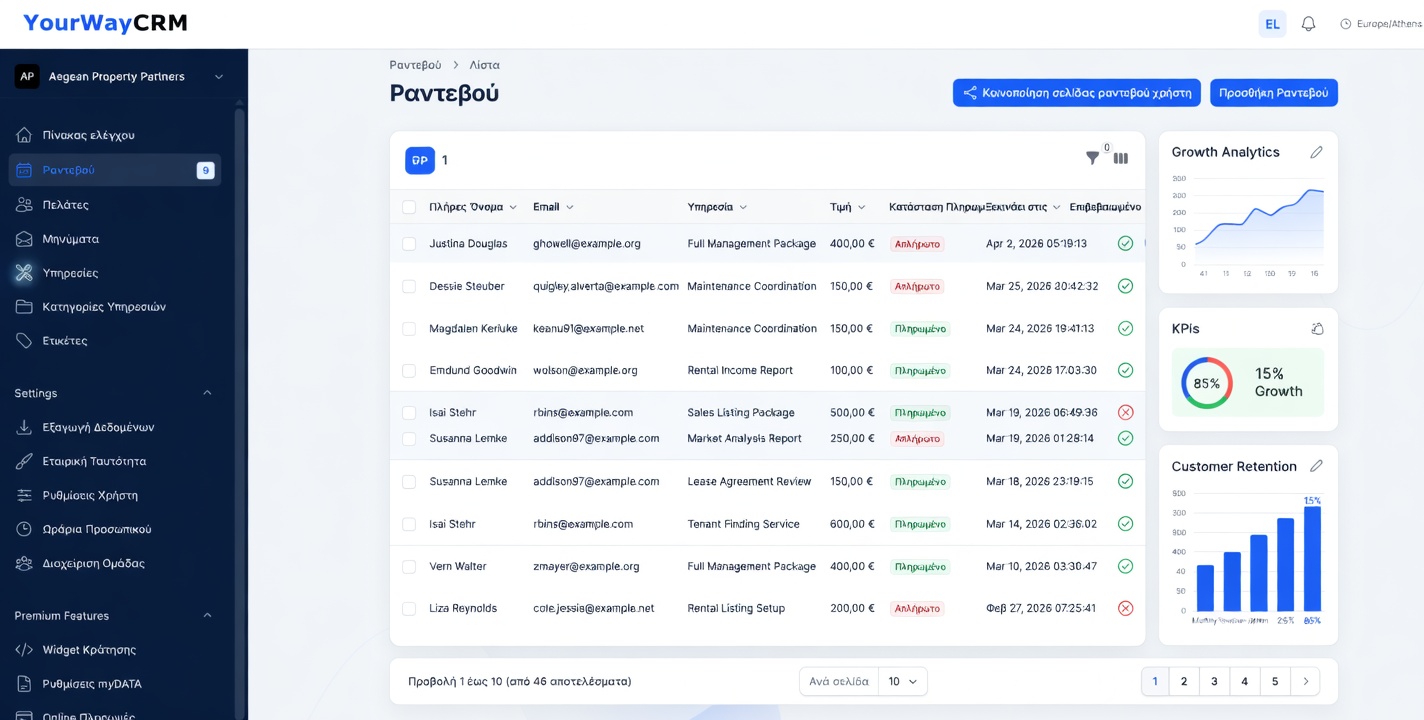
Use a practice management tool like YourWayCRM to track your current caseload, appointment availability, and capacity status. Having real-time visibility into your schedule helps you make informed decisions quickly when potential clients contact you. You can set a "currently full" status that appears on your booking page or intake forms, reducing inquiries from the outset.
Document your capacity limits in writing. Know exactly how many clients you can safely manage, what types of cases you accept, and what your waitlist process looks like. This clarity makes saying no easier and more consistent.
Professional Ways to Decline New Clients
Be Direct and Honest
When you need to decline a client, be straightforward. A simple, professional response works best:
- "Thank you for reaching out. I'm currently at full capacity and unable to take on new clients at this time."
- "I appreciate you thinking of me. My schedule is fully booked, and I'm not accepting new clients currently."
- "I'm not the right fit for your needs at this time, but I'd like to recommend someone who might be able to help."
Avoid over-explaining or apologizing excessively. You're not obligated to justify your business decisions. A brief, respectful response is professional and sets appropriate boundaries.
Offer Alternatives
When you decline a client, try to provide a helpful alternative. This maintains your professional reputation and demonstrates genuine care:
- Refer them to a colleague or another practitioner you trust
- Suggest they join your waitlist with an honest timeline for when you might have availability
- Recommend they contact your local psychology association for referrals
- Suggest crisis resources if they're in immediate need of support
Having a pre-prepared list of trusted colleagues in your network makes this much easier. When you need to decline, you can immediately offer a specific referral rather than leaving the person without guidance.
Consider a Waitlist
A waitlist can be a compassionate middle ground. If you expect capacity to open up—through client completion of therapy, seasonal changes, or planned expansion—a waitlist allows interested clients to stay connected.
Be transparent about waitlist timelines. If you genuinely don't know when you'll have openings, say so. An honest "I'm not sure when I'll have availability" is better than creating false hope. If you do maintain a waitlist, use your practice management system to organize it and follow up appropriately when spots open.
Handle Specialized or Complex Cases
Sometimes you'll need to decline clients not because you're at capacity, but because they need specialized care outside your expertise. This is equally important:
- Be honest about your limitations: "I don't have experience with that particular issue."
- Avoid taking clients you're not equipped to help, even if you have schedule availability
- Provide referrals to practitioners with relevant expertise
- Frame this as "getting them the best care possible" rather than a rejection
Saying no in this context protects both the client and your professional integrity.
Communicate Your Status Proactively
Reduce the number of decline conversations by being upfront about your availability. Update your website, social media, and voicemail when you're at capacity. Include a "currently full" notice on your intake form or booking page.
This prevents wasted time for both you and potential clients. People appreciate knowing your status before they invest time in contacting you.
Managing the Emotional Side
Many practitioners struggle with saying no. You may feel guilty, worry about disappointing people, or fear losing potential income. These feelings are normal, but remember:
- You cannot pour from an empty cup—protecting your capacity serves your existing clients
- Declining clients is a sign your practice is thriving, not failing
- A referral can build professional relationships and reputation
- Maintaining boundaries is a professional responsibility, not a personal failing
Reframe saying no as a form of professional integrity rather than rejection.
Conclusion
Saying no to new clients is a critical skill for sustainable private practice management. By establishing clear capacity limits, communicating professionally, offering alternatives, and managing your boundaries consistently, you protect both your practice quality and your own wellbeing. Use tools like YourWayCRM to track your capacity and streamline your intake process, making it easier to manage these conversations with professionalism and confidence. Your existing clients—and your future self—will thank you.