Keep Clients Engaged Without Overstepping Boundaries
Maintaining client relationships between sessions is a delicate balance. You want to show genuine care and keep clients engaged in their therapeutic journey, but you also need to respect the professional boundaries that define ethical practice. The challenge intensifies when you're managing multiple clients across different stages of treatment, each with their own preferences and needs.
The key to successful client contact lies in intentionality, consistency, and respect for autonomy. When done thoughtfully, regular but measured communication strengthens the therapeutic relationship and can improve outcomes. When done carelessly, it becomes intrusive and undermines the professional framework that makes therapy effective.
Establish Clear Communication Preferences Upfront
The foundation of non-intrusive contact begins before any outreach happens. During your initial consultation or early in the therapeutic relationship, have an explicit conversation about communication preferences.
- Ask directly: How often would your client like to hear from you between sessions? Weekly check-ins, monthly updates, or only when necessary?
- Clarify channels: Is email preferred, or would they rather receive a text message? Some clients find phone calls intrusive; others appreciate the personal touch.
- Set boundaries: Establish response timeframes and explain your availability. Make clear that emergency contact should follow your stated protocols.
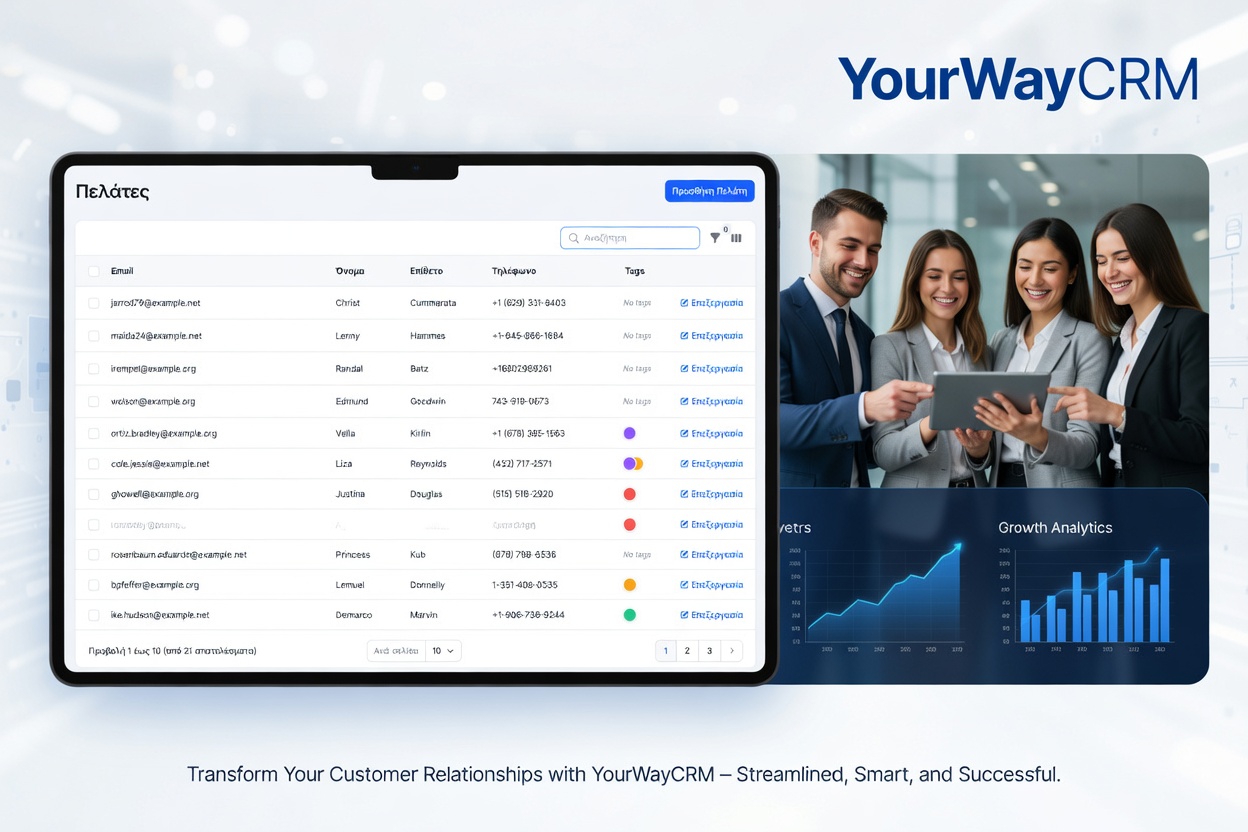
- Document preferences: Use your practice management system—like YourWayCRM—to record these preferences so every team member respects them consistently.
This conversation isn't a one-time event. Revisit it periodically, especially if a client's circumstances change or if you notice they're not engaging with your outreach.
Offer Value-Driven Communication
The most respectful contact is the most useful contact. Rather than reaching out just to check in, give clients a reason to appreciate your message.
- Share relevant resources: An article, podcast, or tool directly related to goals discussed in session.
- Send appointment reminders: A simple, professional reminder 24 hours before their scheduled session reduces no-shows and shows you value their time.
- Provide session summaries: A brief recap of key points from your last meeting helps reinforce work and gives clients something concrete to reflect on.
- Offer educational content: Monthly tips on stress management, healthy routines, or other practice-relevant topics position you as a resource without demanding interaction.
Each message should have a clear purpose. Avoid vague "just checking in" contact unless the client has explicitly requested it. When communication serves the client's therapeutic goals, it feels supportive rather than intrusive.
Respect Response Patterns and Preferences
Not every client will engage equally with outreach, and that's completely normal. Pay attention to how clients respond to your contact.
- Notice engagement levels: If a client rarely responds to emails but always shows up to sessions, they've told you something about their preferences without saying it explicitly.
- Don't escalate contact: If someone doesn't respond to an email, don't follow up with a text or phone call. Respect their silence as a form of communication.
- Avoid assumptions: Non-response doesn't mean disengagement. A client might be busy, overwhelmed, or simply prefer to process things in session.
- Check in during sessions: Use your face-to-face time to ask if your communication style is working for them and adjust as needed.
The goal is to be available and supportive, not to demand engagement. Clients should never feel obligated to respond to your messages outside of session time.
Use Automation Thoughtfully
Practice management tools like YourWayCRM can automate routine communications—appointment reminders, birthday greetings, or periodic newsletters. Automation is an excellent way to maintain consistent contact without it feeling intrusive.
- Appointment reminders: Automated reminders sent 24 hours before sessions reduce no-shows and are universally appreciated.
- Seasonal check-ins: A message before the holidays or at the start of a new year can feel warm without being presumptuous.
- Resource sharing: Batch educational content into a monthly newsletter rather than sending individual emails.
- Opt-out options: Always give clients the ability to unsubscribe from automated communications if they prefer minimal contact.
Automation works best when it's transparent. Clients should know that certain messages are system-generated, and they should always have a way to adjust their preferences.
Handle Cancellations and Gaps Professionally
When clients cancel sessions or take breaks from therapy, the temptation to reach out can be strong. Resist it unless you've established clear protocols.
- Acknowledge cancellations neutrally: A simple "Thank you for letting us know" is sufficient and professional.
- Respect breaks: If a client takes a planned break, don't contact them during that time unless they've asked you to.
- Follow up thoughtfully after long gaps: If a client hasn't been in touch for several months, a brief message acknowledging the gap and expressing openness to reconnection is appropriate—but only if your practice agreement allows it.
- Never use contact as persuasion: Don't reach out to try to convince a client to return or to express disappointment about their absence. This crosses into manipulation.
Professional boundaries mean accepting that some clients will drift away, and that's part of the therapeutic relationship. Your job is to remain available and welcoming, not to pursue them.
Create a Communication Policy
Consistency across your practice strengthens professionalism and reduces confusion. Develop a written communication policy that covers:
- Expected response timeframes for client messages
- Types of communication you initiate and frequency
- Emergency contact procedures
- How clients can opt in or out of different types of outreach
- Confidentiality standards for different communication channels
Share this policy with clients during intake and reference it when discussing communication preferences. If you have administrative staff, ensure they're trained on these standards so every client interaction reflects your values.
The Bottom Line
Keeping in touch with clients doesn't require constant contact. It requires intentional, respectful, and purposeful communication that serves their therapeutic needs while honoring professional boundaries. When you establish clear preferences, offer genuine value, and respect client autonomy, your outreach strengthens the relationship rather than straining it.
The most intrusive communication often comes from good intentions poorly executed. By being explicit about boundaries upfront and staying attentive to how clients respond, you can build a practice where clients feel genuinely supported—not monitored or pursued.