Managing Supervision and CPD Time
Supervision and continuing professional development (CPD) are non-negotiable requirements for mental health practitioners. Yet many therapists struggle to carve out dedicated time for these essential activities while maintaining a full client schedule. The pressure to see clients, generate income, and manage administrative tasks can push supervision and CPD to the margins—creating a cycle of rushed sessions and incomplete learning goals.
This article explores practical strategies for integrating supervision and CPD into your practice schedule in a sustainable, intentional way. The goal isn't to add stress, but to build a rhythm that supports both your professional development and your clients' wellbeing.
Why Supervision and CPD Time Matters
Supervision provides essential accountability, clinical oversight, and a space to process complex cases. CPD keeps your knowledge current, prevents burnout, and ensures you're offering evidence-informed practice. Both are professional obligations, not luxuries.
However, they're often treated as tasks to squeeze in when convenient—which means they rarely happen with the focus they deserve. The result is fragmented learning, missed opportunities to discuss challenging client work, and a sense that your own development takes a back seat to everything else.
By treating supervision and CPD as scheduled, protected time, you signal their importance and ensure they actually happen.
Schedule Supervision Like a Client Appointment
The simplest strategy is the most effective: book your supervision session at a regular time each week or month, and protect it as you would a client appointment.
- Choose a consistent slot. Same day, same time each week removes the need to negotiate scheduling repeatedly. Your supervisor knows when to expect you, and you know when to protect that space.
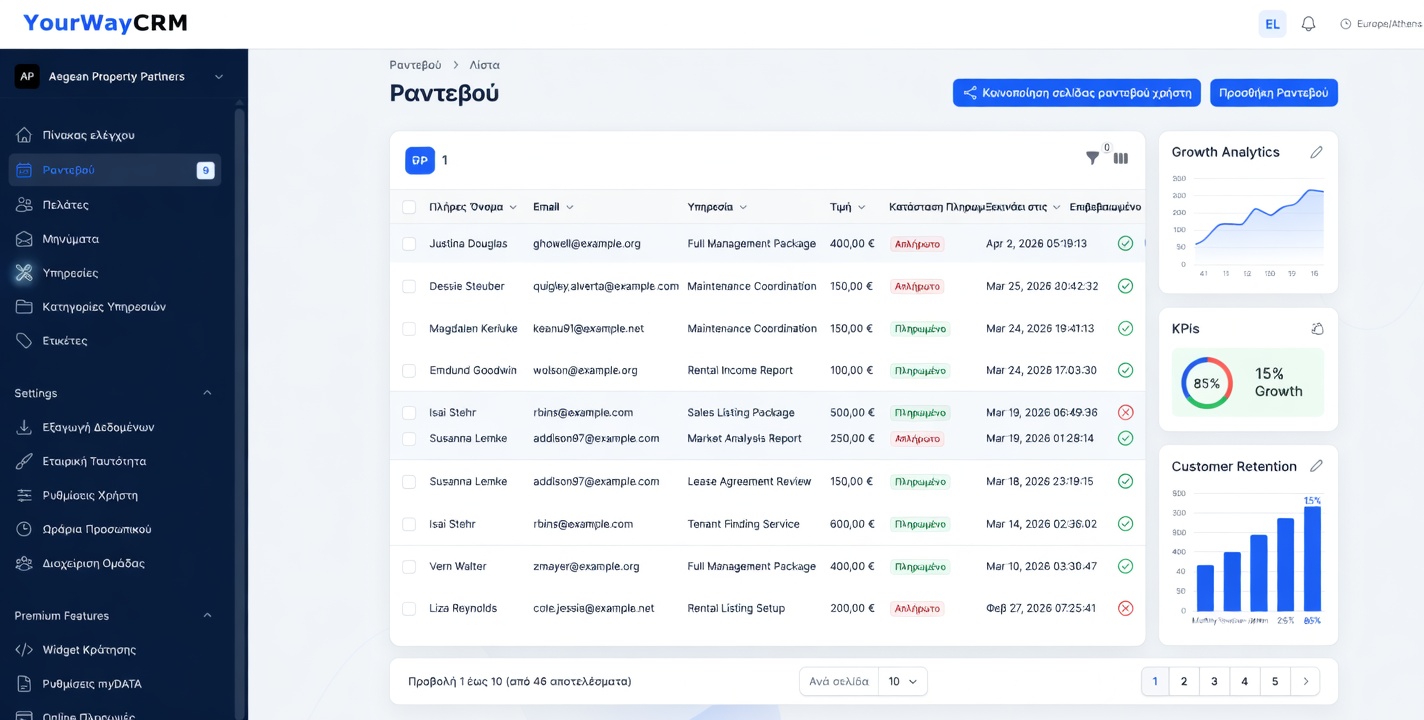
- Use your practice management system. Tools like YourWayCRM allow you to block off supervision time in your calendar just as you would client sessions. This prevents accidental double-booking and makes it visible in your schedule at a glance.
- Treat it as non-negotiable. Cancellations should be rare and rescheduled promptly. Supervision isn't optional, even when client demand is high.
- Plan around it. If your supervision is on Tuesday mornings, avoid scheduling back-to-back clients beforehand. You'll arrive present and prepared, not rushing from a previous session.
This approach removes the mental load of constant rescheduling and ensures supervision happens consistently, regardless of how busy your practice becomes.
Create a CPD Calendar
CPD is often ad-hoc: you hear about a training, fit it in when you can, or complete online modules in random bursts. A more effective approach is to plan your CPD year in advance.
- Audit your learning needs. What areas would strengthen your practice? What client presentations are you least confident with? What gaps exist in your knowledge?
- Map out your CPD plan. Decide which trainings, courses, or conferences align with your goals. Block these dates in your calendar early, before client demand fills your schedule.
- Mix formats. Combine longer trainings (workshops, accredited courses) with shorter learning (webinars, peer consultation groups, reading). This provides variety and flexibility.
- Schedule prep and reflection time. If you're attending a two-day training, factor in time before to review materials and after to integrate learning into your practice.
A CPD calendar—even a simple one—ensures your professional development is intentional rather than reactive.
Batch Your Administrative Preparation
Supervision and CPD are most valuable when you arrive prepared. This requires admin time: reviewing case notes, preparing discussion topics, gathering materials for training.
Rather than squeezing this preparation into gaps throughout the week, batch it:
- Friday afternoon review. Use the last hour of your week to identify cases you want to discuss in supervision. Make notes on key issues, client progress, and any concerns.
- Pre-training checklist. A week before a CPD event, review the agenda, read any pre-course materials, and note questions you want answered.
- Use templates. Create a simple supervision prep template in your practice management system. This takes minutes to complete and ensures nothing is forgotten.
Preparation time is an investment that transforms supervision and CPD from passive to active learning experiences.
Protect Your Time Boundaries
The biggest threat to supervision and CPD time is scope creep. Client emergencies, admin backlog, or simply the guilt of "not seeing enough clients" can erode protected time.
Set clear boundaries:
- Don't schedule clients during supervision time. Even if a client requests that exact slot, protect your commitment to your supervisor and your professional development.
- Communicate your availability clearly. If you block Wednesday afternoons for CPD, make this visible to clients and staff. Consistency reduces requests for exceptions.
- Plan coverage for emergencies. Have a protocol for genuine client crises that arise during protected time, but don't let "what if" scenarios justify constant exceptions.
- Track your actual time allocation. Many practitioners underestimate how much client time they're actually working. Use your calendar to review: are you truly at capacity, or does it feel that way?
Boundaries aren't selfish—they ensure you have the space to develop as a practitioner, which ultimately benefits your clients.
Use Technology to Support Your System
Practice management platforms like YourWayCRM can help you maintain these boundaries. By blocking supervision and CPD time in your calendar, you create a visual reminder of your commitments. Some systems also allow you to note the type of time (supervision, training, admin) so you can track your allocation across different activities.
This visibility helps you:
- Spot patterns (e.g., are you consistently cancelling CPD time?)
- Communicate your schedule to clients and referrers
- Ensure your actual working hours align with your intended boundaries
Review and Adjust Quarterly
Your supervision and CPD schedule isn't fixed. Review it quarterly:
- Are you attending supervision consistently? If not, what's getting in the way?
- Are your CPD choices aligned with your practice goals?
- Do you need to adjust timing or frequency based on your client load?
- What's working well that you want to maintain?
Small adjustments—moving supervision to a different day, adding a peer consultation group, shifting your CPD focus—keep your system responsive to your actual practice.
Conclusion
Supervision and CPD aren't extras to fit in when you have time. They're foundational to sustainable, ethical practice. By scheduling them consistently, preparing intentionally, and protecting your time boundaries, you create the conditions for genuine professional development.
The result isn't just better learning—it's a more sustainable practice where you feel supported, continue to grow, and ultimately offer better care to your clients.