Why Client Retention Matters for Your Practice
Client retention is one of the most important indicators of a healthy mental health practice. When clients stay with you long-term, it creates stability in your schedule, improves your revenue predictability, and allows you to provide more effective care through continuity of treatment. Unlike constantly acquiring new clients, retaining existing ones is typically more cost-effective and builds the foundation of a sustainable practice.
Yet many practitioners focus primarily on acquiring new clients while overlooking the value of keeping the ones they already have. Understanding and measuring your retention rates gives you insight into what's working in your practice and where improvements are needed.
Key Client Retention Metrics to Track
To measure retention effectively, you need to track specific metrics. Here are the most important ones:
Client Retention Rate
Your retention rate is the percentage of clients who continue working with you over a given period. To calculate it, divide the number of clients at the end of a period by the number at the start, then multiply by 100. For example, if you had 30 clients at the start of the year and 24 at the end, your retention rate is 80%.
Churn Rate
Churn rate is the inverse—the percentage of clients who stop attending. In the example above, your churn rate would be 20%. Tracking churn helps you identify when client loss accelerates, signalling potential problems in your practice.
Average Client Tenure
This measures how long, on average, clients work with you. Calculate it by adding up all client tenure lengths and dividing by the total number of clients. Longer tenure indicates stronger relationships and better outcomes.
Session Consistency
Track how regularly clients attend scheduled sessions. A client attending 90% of scheduled appointments is more likely to continue long-term than one attending 60%. This metric also helps identify clients who may be considering leaving before they formally end the relationship.
Using Practice Management Tools to Track Retention
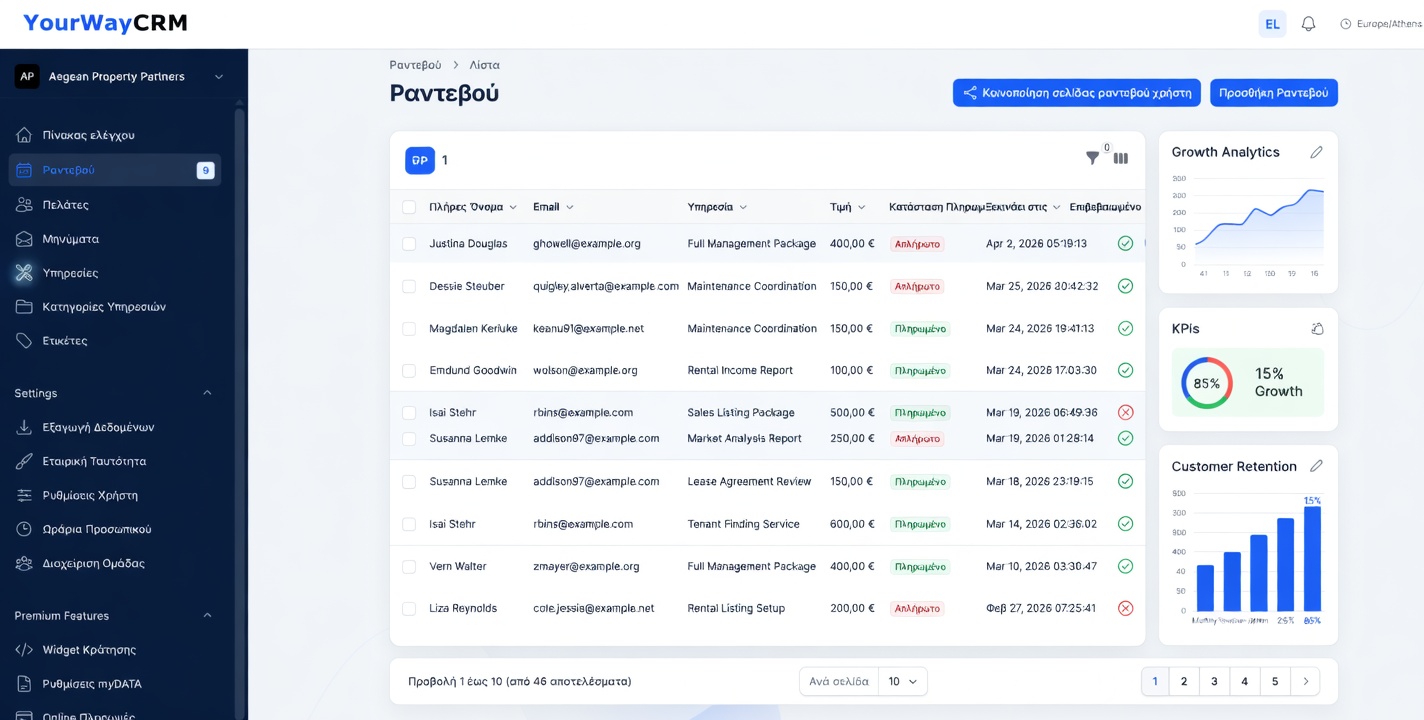
Manually calculating retention metrics is time-consuming and error-prone. A practice management platform like YourWayCRM can automate this process. By recording client start dates, session attendance, and end dates, the system can generate retention reports automatically, giving you clear visibility into your practice's performance without manual spreadsheet work.
The best tools allow you to segment retention data by therapy type, therapist, or client demographics, helping you identify which areas of your practice are strongest and where support is needed.
What Constitutes Healthy Retention?
Retention rates vary by practice type and client population. However, a general benchmark is:
- Below 60%: Indicates significant challenges in client satisfaction or practice operations
- 60-75%: Average for many practices; room for improvement
- 75-85%: Good retention; suggests clients are satisfied with care
- Above 85%: Excellent retention; indicates strong client relationships and practice quality
Remember that some client loss is natural and healthy—clients complete therapy, move away, or find they need a different approach. The goal isn't 100% retention but rather understanding your baseline and working to improve it.
Identifying Reasons for Client Loss
When clients leave, understanding why is crucial. Common reasons include:
- Therapy goals have been achieved (positive termination)
- Scheduling conflicts or lack of appointment availability
- Cost concerns or insurance issues
- Poor communication or unmet expectations
- Feeling unheard or misunderstood
- Life changes (relocation, job changes, financial hardship)
Implement a simple exit survey or brief conversation when clients end therapy. Ask open-ended questions about their experience. This feedback is invaluable for identifying patterns and areas to improve.
Strategies to Improve Client Retention
Establish Clear Communication Channels
Clients who feel heard are more likely to stay. Ensure you have reliable ways for clients to reach you, confirm appointments, and ask questions between sessions. Automated appointment reminders reduce no-shows, which often precede client dropout.
Maintain Consistent Scheduling
Cancelled or frequently rescheduled appointments frustrate clients. Protect your client appointment slots and minimize disruptions. When changes are necessary, communicate promptly and offer alternative times quickly.
Set Clear Expectations Early
During intake, discuss therapy duration, frequency, fees, and what clients can expect from the process. Misaligned expectations are a leading cause of early dropout. Clear boundaries and transparent communication prevent disappointment later.
Monitor Early Engagement
The first 4-6 sessions are critical. Clients who miss early appointments or show low engagement are at higher risk of dropout. Reach out proactively if you notice patterns of cancellations or reduced attendance.
Regular Check-Ins on Progress
Periodically discuss whether therapy is meeting the client's needs and goals. This conversation reassures clients that you're invested in their outcomes and gives them space to voice concerns before they decide to leave.
Using Data to Drive Practice Improvement
Once you're tracking retention metrics, use the data strategically. Compare retention rates across different time periods, therapists, or client populations. If one therapist has significantly higher retention, what are they doing differently? If retention dips in certain months, what external factors might explain it?
Share anonymized retention data with your team in supervision or team meetings. Discuss trends, celebrate improvements, and collaboratively identify solutions. A data-informed approach turns metrics into actionable insights.
Building a Sustainable, Thriving Practice
Client retention is ultimately about building a practice where clients feel valued, understood, and supported. By measuring retention, understanding the reasons clients stay or leave, and continuously refining your systems and communication, you create an environment where long-term therapeutic relationships flourish. This benefits both your clients and your practice's stability and growth.