Why Your Online Presence Matters
In today's digital landscape, your law office's online presence is often the first impression potential clients have of your practice. Before they call your office or schedule a consultation, they'll visit your website, check your social media, and read reviews. A professional online presence signals competence, reliability, and trustworthiness—qualities every client looks for when choosing legal representation.
Your online presence isn't just about aesthetics. It's a business tool that communicates your office's values, expertise, and commitment to client service. When managed thoughtfully, it directly influences how many qualified leads contact your office and whether they choose to become paying clients.
Building a Professional Website
Your website is the cornerstone of your online presence. It should reflect the professionalism of your practice and make it easy for visitors to understand what you do and how to work with you.
Essential Website Elements
- Clear contact information: Display your phone number, email, and office address prominently. Make scheduling a consultation straightforward.
- Professional design: Use clean layouts, readable fonts, and a consistent color scheme. Avoid cluttered pages or outdated designs that undermine your credibility.
- Mobile responsiveness: More than half of web traffic comes from mobile devices. Your website must display correctly on phones and tablets.
- Secure connection: Use HTTPS to protect visitor data and signal that your office takes security seriously.
- Loading speed: Slow websites frustrate visitors and hurt search rankings. Optimize images and minimize unnecessary code.
Content That Builds Trust
Your website content should speak directly to potential clients' concerns and questions. Include clear descriptions of your practice areas, your experience, and your approach to client service. Avoid legal jargon where possible, and explain concepts in language clients can understand.
Consider adding a brief biography or photo of yourself and any team members. Personal touches help visitors feel they know who they'll be working with. If you have testimonials or case results (respecting confidentiality and professional rules), these provide social proof that your office delivers results.
Streamlining Client Communication
Your website should make it easy for potential clients to reach you and understand your process. A clear call-to-action—such as "Schedule a Consultation" or "Contact Us Today"—guides visitors toward the next step.
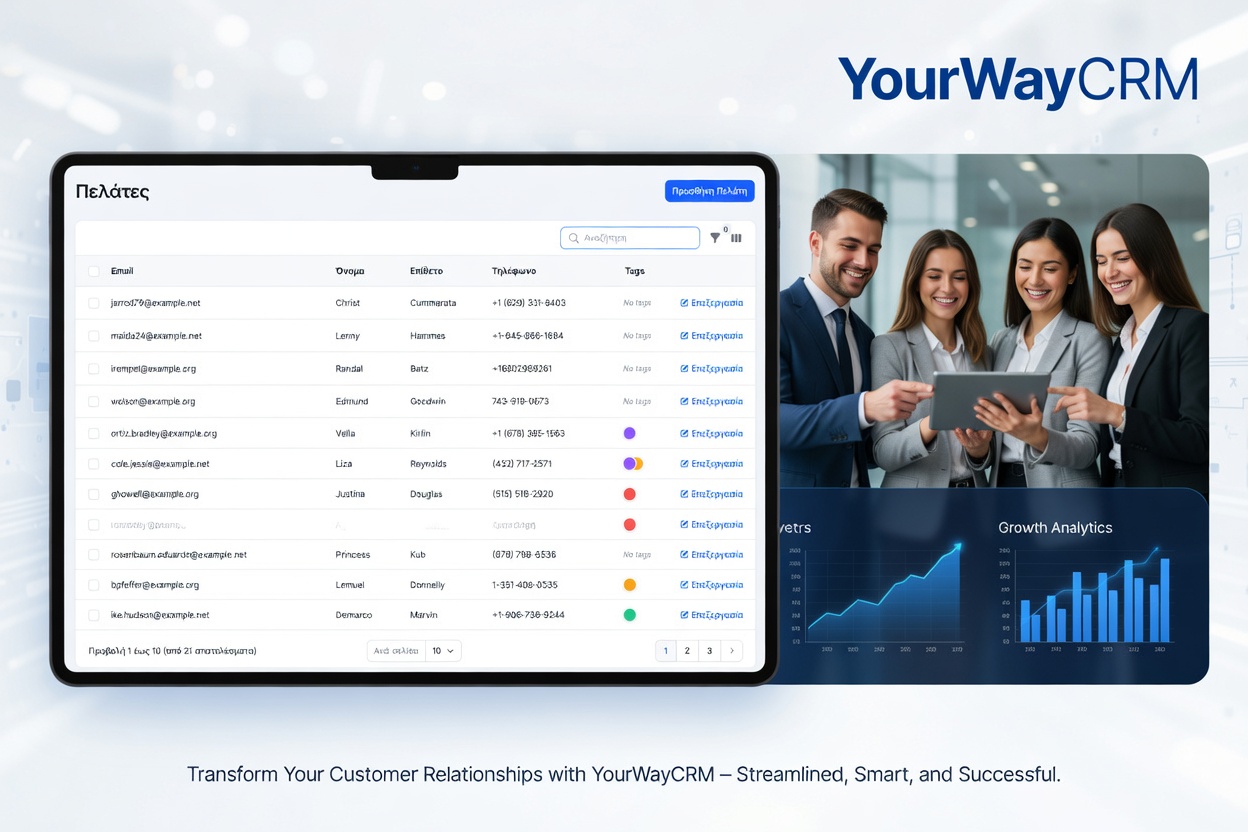
Consider offering an online contact form or appointment booking system. Many potential clients prefer to schedule at their convenience rather than calling during business hours. Tools like YourWayCrm allow you to manage appointment requests directly from your website, reducing back-and-forth emails and ensuring nothing falls through the cracks.
Managing Your Online Reputation
Your online reputation extends beyond your website. Reviews on Google, Avvo, and other platforms significantly influence whether potential clients choose your office. Actively manage these profiles by:
- Monitoring reviews regularly and responding professionally to feedback, both positive and negative.
- Encouraging satisfied clients to leave reviews (while respecting professional conduct rules).
- Keeping your business information current across all platforms.
- Addressing any inaccuracies or outdated information promptly.
Consistency Across Platforms
If your office maintains social media accounts, ensure your messaging and branding are consistent with your website. Your practice areas, contact information, and tone of voice should align across all platforms. Inconsistencies confuse potential clients and undermine your professional image.
Update your profiles regularly, but only share content that reflects your office's values and expertise. A dormant social media account with outdated information looks unprofessional. If you can't maintain an active presence, it's better to have a minimal but current profile than one that appears abandoned.
Protecting Client Confidentiality Online
Your online presence must respect client confidentiality and professional privilege. Never share details about cases, clients, or matters you're handling—even in general terms. This applies to social media, your website, case studies, and any public communication.
If you use client testimonials, obtain written consent and ensure the testimonial contains no confidential information. When discussing your experience, keep descriptions general and focused on your approach rather than specific cases.
Keeping Information Organized and Current
Maintaining a professional online presence requires staying organized. Keep track of what information appears on each platform, when it was last updated, and any changes you've made. This prevents conflicting information and ensures consistency.
Schedule regular reviews of your website and profiles—at least quarterly. Check for outdated contact details, broken links, or information that no longer reflects your practice. When you update your office hours, add a new practice area, or change your team, make sure all platforms reflect these changes promptly.
The Bottom Line
Presenting your law office professionally online isn't optional—it's essential for attracting and retaining clients. A well-designed website, consistent branding, responsive client communication, and active reputation management work together to build trust and credibility. By investing time in your online presence, you're investing in your office's growth and success.
Start by auditing your current online presence. What's working? What needs improvement? Then prioritize the changes that will have the biggest impact on how potential clients perceive your office. With a professional online presence, you'll stand out in a competitive market and attract the clients who value your expertise.