Recognising Overload Before It Becomes Burnout
Running a mental health practice demands emotional labour, administrative precision, and unwavering professional boundaries. Yet many practitioners find themselves sliding into overload without realising it until burnout has already taken hold. The difference between manageable stress and burnout often comes down to one thing: early recognition and intervention.
As a mental health professional, you're trained to notice subtle shifts in your clients' wellbeing. It's time to apply that same attentiveness to your own practice management. Recognising overload early gives you the chance to implement changes before exhaustion compromises your clinical effectiveness and personal health.
Understanding the Difference Between Overload and Burnout
Overload is a state of having too much on your plate—too many clients, too many administrative tasks, too many hours—while still feeling capable of managing them, even if just barely. Burnout, by contrast, is the emotional and physical exhaustion that follows prolonged overload, characterised by cynicism, reduced effectiveness, and a sense of detachment from your work.
The critical window for intervention is when you're experiencing overload but haven't yet crossed into burnout. During this phase, you can still make deliberate changes to your schedule, systems, and boundaries. Once burnout sets in, recovery takes significantly longer and often requires stepping back from practice entirely.
Early Warning Signs of Practice Overload
Administrative Tasks Are Piling Up
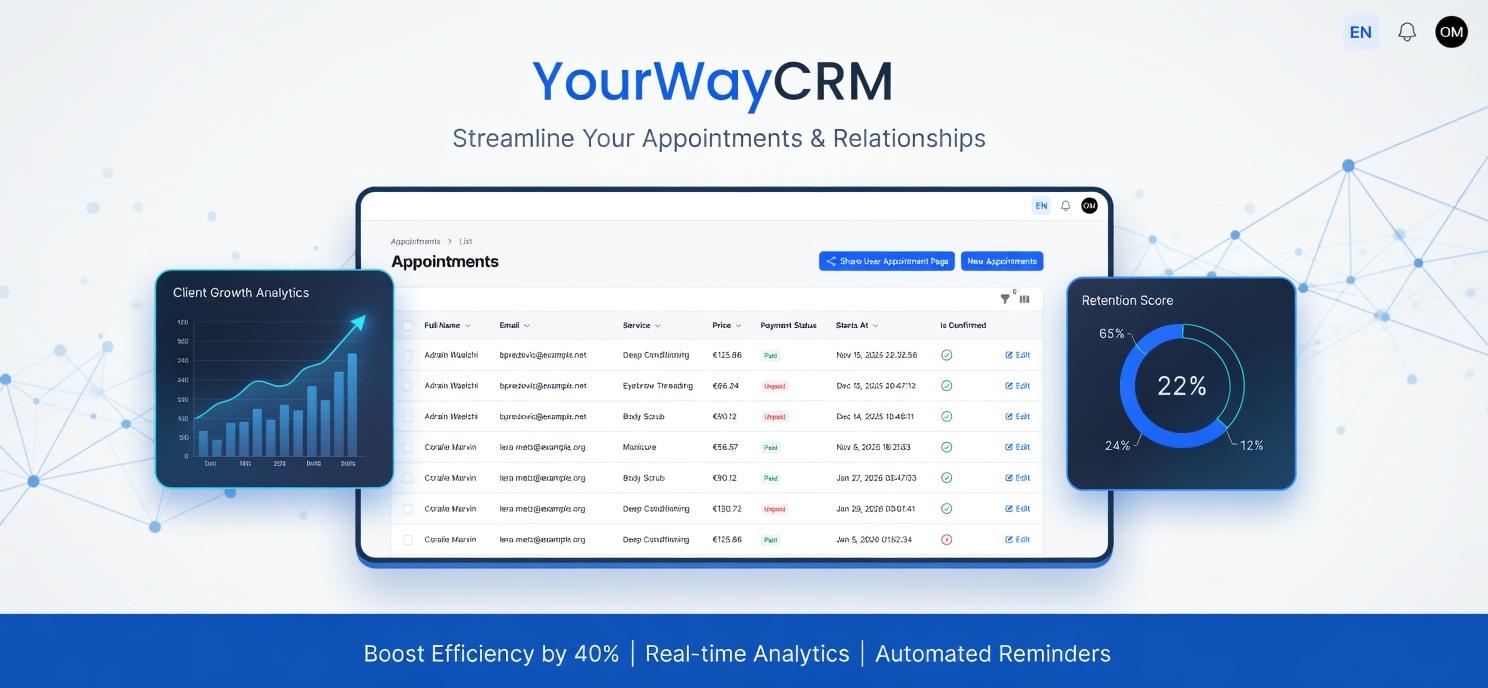
One of the first indicators of overload is when administrative work starts accumulating. You're seeing clients back-to-back, notes are being written late into the evening, and appointment scheduling feels chaotic. If you're not using practice management software like YourWayCRM to automate routine tasks, this burden compounds quickly. A system that handles appointment confirmations, automated reminders, and streamlined record-keeping can reclaim hours each week.
You're Frequently Running Behind Schedule
When you consistently finish sessions late, rush between appointments, or find yourself working through lunch, your nervous system remains in a heightened state. This isn't sustainable. If your schedule is so packed that buffer time has disappeared, you're operating in a state of chronic time pressure—a classic overload signal.
Cancellations Feel Like a Relief Rather Than a Disappointment
In a healthy practice, a cancellation might be mildly inconvenient. In an overloaded practice, a cancelled appointment feels like a gift. This shift in perspective is telling. It suggests your caseload has exceeded a level that feels sustainable, and you're craving space rather than income.
You're Struggling to Maintain Professional Boundaries
Overload often leads to boundary erosion. You're replying to emails outside working hours, taking calls from clients at inconvenient times, or extending sessions because you lack the mental energy to end them. Strong boundaries are essential for preventing burnout, and when they start slipping, it's a red flag that you need to recalibrate.
Your Documentation Is Falling Behind
Clinical notes, progress records, and client files require attention, and they're often the first thing to be delayed when you're overloaded. If you're consistently writing notes days after sessions or feel anxious about your record-keeping standards, this is both a practical and ethical concern. Tools like YourWayCRM that integrate note-taking with appointment management make it easier to stay current.
You're Experiencing Physical or Emotional Symptoms
Tension headaches, sleep disruption, irritability, or a sense of dread before work days are your body's way of signalling overload. These symptoms often appear before you consciously recognise that you're overwhelmed. Pay attention to them.
Practical Steps to Address Overload
Audit Your Current Caseload and Schedule
Start by objectively assessing your workload. How many clients are you seeing per week? What's your ideal capacity versus your current capacity? Are there clients you could refer to other practitioners? Are there time slots that consistently feel rushed? This honest evaluation is the foundation for making changes.
Implement or Refine Your Scheduling System
A robust scheduling system prevents many sources of overload. Ensure you have buffer time between sessions, that cancellation policies are clear and enforced, and that appointment reminders are automated. When scheduling is handled efficiently—ideally through dedicated practice management software—you eliminate the mental load of juggling appointments and reduce no-shows.
Set Clear Working Hours and Boundaries
Define when you're available to clients and when you're not. This might mean no email responses after 6 p.m., no weekend work, or specific hours for administrative tasks. Communicate these boundaries clearly to clients during intake and reinforce them consistently. Your boundaries protect both your wellbeing and your clinical effectiveness.
Automate Administrative Tasks
Every task you can automate is time you reclaim. Appointment confirmations, reminder messages, initial intake forms, and even basic billing reminders can be handled by practice management software. This reduces the administrative burden significantly and minimises the chance of scheduling errors or missed communications.
Create a Sustainable Documentation Process
Develop a system where you complete clinical notes immediately after sessions or within a set timeframe. Templates can speed up this process. If you're using technology that integrates scheduling with note-taking, you'll have fewer systems to manage and less cognitive load overall.
Regularly Review and Adjust
Overload doesn't happen overnight, and neither does recovery. Schedule a monthly review of your workload, stress levels, and boundaries. Are changes taking effect? Do you need to adjust further? This ongoing attention prevents you from sliding back into overload.
The Role of Systems in Preventing Overload
Overload often stems not just from too much work, but from work that's disorganised or inefficient. A well-designed practice management system—one that handles scheduling, client communication, and record-keeping—can significantly reduce the cognitive and administrative burden. By centralising these functions, you eliminate the mental energy spent juggling multiple tools and systems.
Moving Forward
Recognising overload is an act of professional self-care. It requires honesty about your capacity and courage to make changes that might feel difficult in the short term but protect your long-term sustainability. Your practice is built on your ability to show up fully for your clients—and that's only possible when you're managing your own workload wisely.
Start today by identifying one early warning sign you're experiencing and one concrete step you can take to address it. Small, deliberate changes made early are far more effective than major interventions made after burnout has taken hold.