Reduce Context Switching Between Clients
Context switching—the mental effort required to shift your attention from one client to another—is one of the most draining aspects of running a mental health practice. Each time you transition between sessions, your brain must abandon the previous client's narrative, therapeutic relationship, and clinical context to fully engage with someone new. This cognitive load accumulates throughout the day, leaving you mentally exhausted even if you've had adequate breaks.
The challenge is particularly acute in private practice, where you might see six, eight, or more clients in a single day. Without intentional strategies to manage these transitions, your focus deteriorates, your presence with each client diminishes, and your risk of clinical errors increases. Reducing context switching isn't just about comfort—it's about delivering better care while protecting your own wellbeing.
Why Context Switching Drains Your Energy
Context switching requires more than simply closing one file and opening another. Your brain must:
- Disengage from the previous client's emotional content and therapeutic work
- Recall the current client's history, treatment goals, and recent progress
- Adjust your therapeutic stance and approach to match their needs
- Reorient to a different pace, communication style, and emotional tone
Research in cognitive psychology shows that switching tasks—even briefly—creates a "switching cost" that reduces efficiency and increases error rates. For therapists, this translates to reduced attentiveness, slower clinical reasoning, and difficulty maintaining the therapeutic presence clients deserve.
The cumulative effect is significant. A practitioner seeing eight clients daily experiences eight major context switches, each one depleting cognitive resources. By the end of the day, you're running on fumes, making it harder to document sessions accurately, respond to messages thoughtfully, or transition to your personal life.
Batch Your Clients by Modality or Issue
One practical strategy is to group similar clients together when possible. If you work with both individual therapy and couples counseling, consider clustering your couples sessions on specific days rather than scattering them throughout the week. Similarly, if you specialize in particular issues—anxiety, trauma, grief—grouping these clients can reduce the mental recalibration required between sessions.
This doesn't mean ignoring client preferences or creating rigid schedules. Instead, when you have flexibility in booking, suggest time slots that naturally cluster similar work. Your brain will stay in a comparable therapeutic mode, reducing the energy spent on context switching.
Use Structured Transition Rituals
Between sessions, implement a brief transition ritual that helps you mentally close one chapter and prepare for the next. This might include:
- A two-minute breathing exercise or grounding technique
- Reviewing the next client's file and key treatment goals
- A brief walk or change of physical location
- A cup of tea or water to mark the boundary
- Quick notes on the previous session while details are fresh
These rituals signal to your brain that you're transitioning between distinct therapeutic relationships. They also help you enter the next session with greater presence rather than carrying residual thoughts or emotions from the previous client.
Optimize Your Scheduling With YourWayCRM
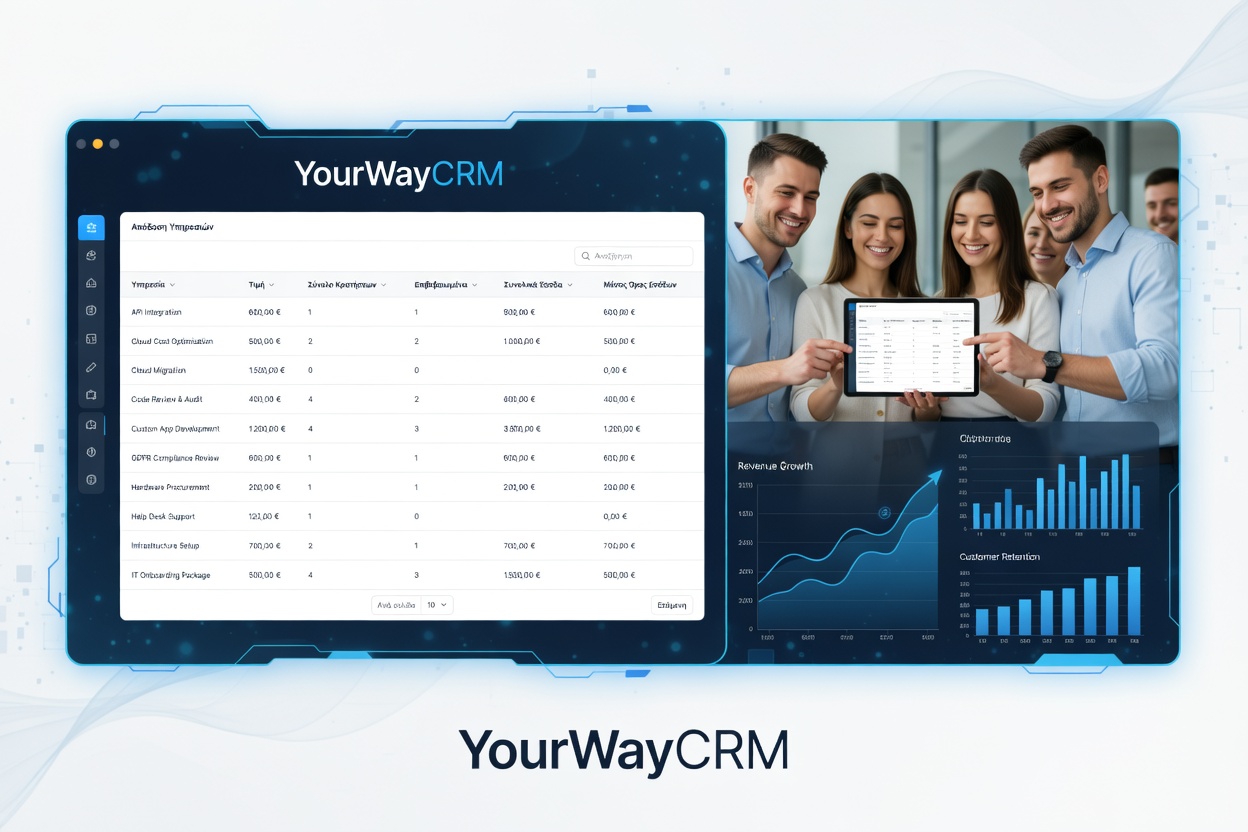
Your appointment management system plays a crucial role in reducing context switching. YourWayCRM allows you to organize your schedule strategically, cluster similar session types, and build in adequate buffer time between appointments. Features like color-coded session types and easy rescheduling make it simple to arrange your calendar in a way that minimizes cognitive load.
Having a clear, well-organized schedule also reduces the mental effort of remembering what comes next. When you can glance at your calendar and see the day's flow at a glance, you're not wasting cognitive energy on logistics—you can reserve it for clinical work.
Protect Your Buffer Time
The time between sessions is sacred. Resist the urge to return emails, make phone calls, or handle administrative tasks during these windows. Even 10 minutes of uninterrupted buffer time allows your nervous system to reset and your mind to clear before the next client arrives.
If you have longer gaps (30+ minutes), use this time for documentation, meal breaks, or genuine rest. If gaps are shorter, simply sit quietly, step outside, or engage in a calming activity. The goal is to create psychological separation between clients, not to maximize productivity during every minute of your day.
Minimize Administrative Interruptions
Context switching isn't limited to client sessions. Constant interruptions from emails, messages, or administrative tasks fragment your attention throughout the day. Establish specific times to check and respond to communications, rather than reacting to notifications in real-time. This protects your focus during session preparation and client work.
Similarly, batch your documentation and administrative tasks into dedicated blocks rather than scattering them between sessions. This reduces the number of mental contexts you're juggling simultaneously.
Be Realistic About Your Schedule
One of the most effective ways to reduce context switching is simply to see fewer clients per day. If you're currently seeing eight clients and feeling mentally depleted, consider whether reducing to six or seven is feasible. The quality of care you provide—and your own wellbeing—may improve significantly.
This isn't always possible due to business constraints, but it's worth evaluating. Sometimes, earning slightly less while maintaining higher presence and preventing burnout is the better long-term choice for both you and your clients.
Conclusion
Context switching is a hidden cost of running a mental health practice, but it's not inevitable. By clustering similar clients, using transition rituals, protecting buffer time, and strategically organizing your schedule, you can significantly reduce the cognitive load of moving between sessions. The result is better focus, deeper presence with each client, and greater protection for your own mental energy. Your practice—and your clients—will benefit from the investment.