Running Workshops and Group Programmes for Your Law Practice
Workshops and group programmes are increasingly popular ways for law firms to engage clients, provide education, and build thought leadership within their communities. Whether you're hosting seminars on compliance matters, client education sessions, or professional development workshops, managing these events requires careful planning and organizational discipline.
Unlike one-to-one client meetings, group programmes demand a different approach to scheduling, communication, and record-keeping. This guide covers the administrative essentials for running successful workshops while maintaining professional standards and client satisfaction.
Why Workshops Matter for Your Law Firm
Group programmes offer several business benefits:
- Demonstrating expertise to multiple prospects simultaneously
- Building relationships with potential clients in a low-pressure environment
- Educating existing clients on relevant topics that support their legal needs
- Creating content and thought leadership opportunities
- Generating referrals through attendee networks
However, the administrative overhead is real. You'll need to manage registrations, track attendance, handle cancellations, send reminders, and maintain records. Without proper systems, this becomes chaotic quickly.
Planning Your Workshop: The Essentials
Before you announce your first workshop, establish the fundamentals:
Define Your Objectives and Audience
Be specific about what you want to achieve. Are you educating existing clients? Attracting new prospects? Building your firm's profile? Your objectives will shape everything from content to venue selection to marketing approach.
Know your audience precisely. A workshop for in-house counsel will differ significantly from one aimed at business owners or individuals facing specific legal issues. Tailor content, timing, and format accordingly.
Choose Your Format and Timing
Consider practical factors:
- Half-day or full-day workshop?
- Single session or multi-part series?
- In-person, hybrid, or fully virtual?
- What time works for your target audience? (Business people often prefer early morning or lunch-time sessions)
- How many attendees can you comfortably accommodate?
Virtual and hybrid options significantly expand your reach, but they require different technical management and engagement strategies.
Plan Your Content and Speakers
Assign clear responsibility for content development. If multiple team members will present, establish guidelines for consistency and quality. Prepare materials in advance—handouts, slides, case studies—and ensure they reflect your firm's standards and comply with any professional conduct requirements regarding advertising and claims.
Managing Registrations and Attendance
This is where a proper system becomes invaluable. You'll need to track:
- Who registered and when
- Contact details for follow-up communication
- Dietary requirements or accessibility needs
- Who actually attended
- Any cancellations or no-shows
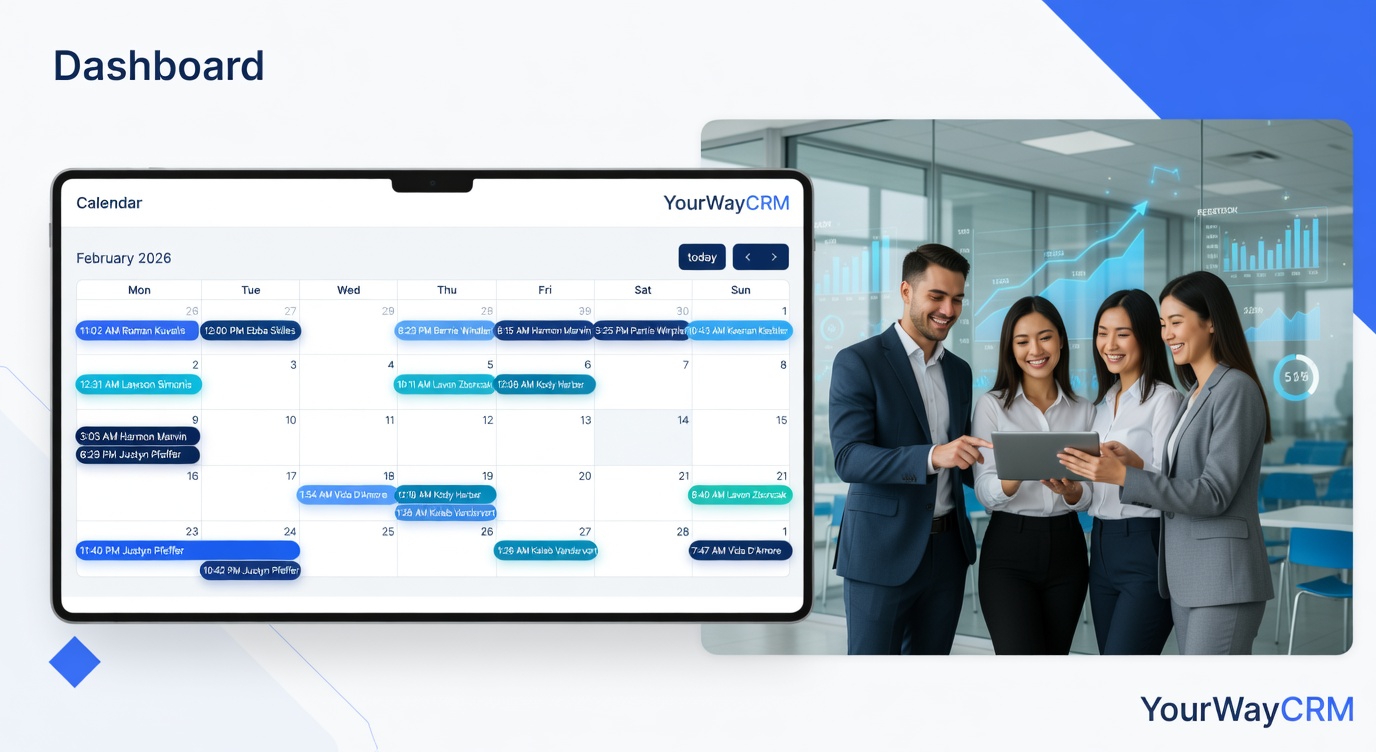
A client management platform like YourWayCrm can streamline this process. You can create group event records, track registrations as contacts, send automated reminders, and maintain attendance records all in one place. This eliminates the scattered spreadsheets and missed follow-ups that plague many firms.
Set clear registration deadlines—typically one to two weeks before your event. This gives you time to finalize numbers for catering and materials, and it creates urgency that improves registration rates.
Handling Cancellations and No-Shows
Some attendees will cancel; others will simply not show up. This is normal, but you should track it. If no-show rates are high, you might need to:
- Send reminder emails 48 hours and 24 hours before the event
- Request confirmation of attendance closer to the date
- Consider requiring RSVPs rather than open registration
- Implement a waiting list to fill last-minute cancellations
Record cancellations and reasons where possible. This data helps you understand demand and adjust future events accordingly.
Communication Before, During, and After
Pre-Workshop Communication
Create a communication schedule:
- Initial announcement and registration opening
- Reminder at 2 weeks out
- Reminder at 1 week out
- Final reminder 48 hours before
- Confirmation email day-of with logistics details
Include practical information: exact start and end times, location or Zoom link, parking details, agenda, speaker bios, and any materials attendees should bring or review in advance.
During the Workshop
Have someone responsible for taking attendance. A simple sign-in sheet (physical or digital) creates a record and helps you match registrations to actual attendees. This is important for follow-up and for measuring the success of your marketing efforts.
If you're recording the session (and you have appropriate consent), note this clearly in your communications and registration materials.
Post-Workshop Follow-Up
This is where many firms drop the ball. Within 48 hours, send:
- A thank-you email to all attendees
- Links to slides, recordings, or additional resources
- Information about next steps (whether that's booking a consultation, registering for the next workshop, or subscribing to your newsletter)
For non-attendees who registered, send a separate message offering them the recording or materials if available, and inviting them to future events.
Record-Keeping and Compliance
Maintain records of:
- All workshop invitations and promotional materials
- Attendee lists and contact details
- Attendance records
- Feedback or evaluation forms (if you collect them)
- Any recordings or materials distributed
- Costs and revenue (if applicable)
If you're collecting personal data through registration, ensure you're complying with data protection regulations. Your privacy notice should explain how you'll use attendee information, and you should obtain appropriate consent for any follow-up marketing communications.
Keep records for a reasonable period—typically at least the duration of any professional relationship that develops from the workshop, plus a few years for business records.
Using Technology to Streamline Operations
A dedicated client management system eliminates manual administrative work. With YourWayCrm, you can:
- Create workshop events and track registrations
- Send automated reminders at key points
- Record attendance and follow-up actions
- Tag attendees for targeted future communications
- Generate reports on workshop effectiveness
This frees your team to focus on content quality and attendee experience rather than chasing spreadsheets.
Measuring Success
After each workshop, review:
- Registration numbers and no-show rate
- Attendee feedback (if you collect it)
- How many attendees convert to paying clients or deeper relationships
- Cost per attendee and return on investment
- Lessons learned for future events
This data helps you refine your approach and justify the investment in future workshops.
Final Thoughts
Workshops and group programmes are powerful business development tools for law firms, but they require disciplined administration. Clear planning, proper registration systems, timely communication, and good record-keeping transform workshops from chaotic events into strategic client engagement opportunities. Invest in the right systems from the start, and you'll build a sustainable programme that delivers value to your firm and your attendees.