Why Professional Development Scheduling Matters
As a mental health professional, your commitment to ongoing learning directly impacts the quality of care you provide. Yet many practitioners struggle to carve out dedicated time for professional development without compromising client schedules or business operations. This tension is real, but it's entirely manageable with intentional scheduling strategies.
Professional development—whether it's attending workshops, completing certifications, supervising junior clinicians, or engaging in peer consultation—is not a luxury. It's an essential component of ethical practice and business sustainability. The challenge lies in integrating these activities into an already demanding schedule without creating gaps in your availability or overwhelming your administrative workload.
Block Time Like You Block Client Sessions
The most effective approach is to treat professional development time with the same respect as client appointments. This means scheduling it in advance, protecting it from cancellations, and communicating it clearly to your team and clients.
Consider designating specific days or half-days each month for professional development. Some practitioners reserve Thursday afternoons, while others dedicate one full day per quarter to intensive training. The frequency and duration depend on your practice size, client load, and development goals.
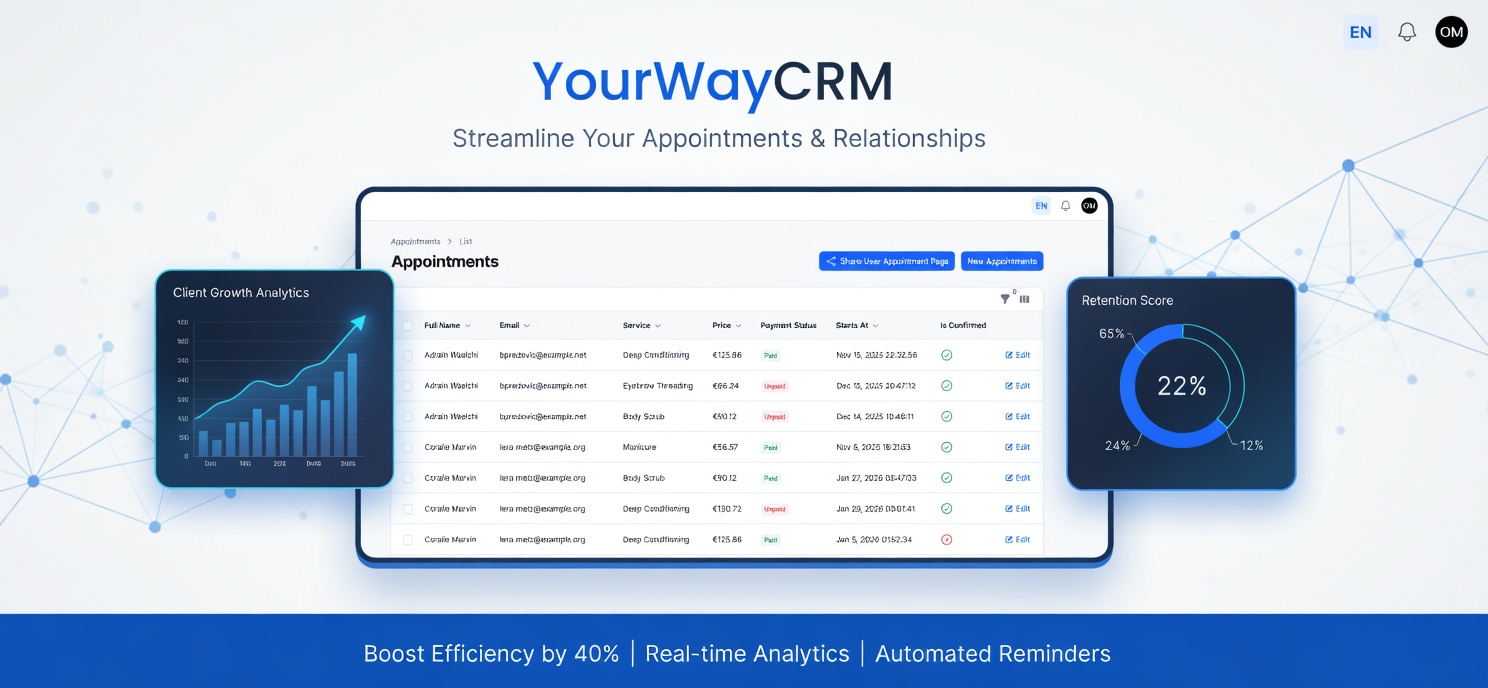
Using a practice management system like YourWayCRM makes this easier. You can mark professional development blocks as "unavailable" to clients, preventing double-booking and creating clear visibility across your schedule. This also helps team members understand when you're not available for administrative tasks or supervision.
Communicate Transparently with Clients
Your clients deserve to know that you're committed to maintaining your clinical skills. Many practitioners find that clients respect—and even appreciate—knowing their therapist is continuing their education.
When scheduling professional development, consider:
- Providing advance notice on your website or intake materials about your regular professional development schedule
- Offering clients alternative appointment times or coverage arrangements when you attend longer training events
- Explaining in your practice policies that you maintain professional development as part of ethical practice
- Ensuring continuity of care by having a trusted colleague available for emergencies
Plan Around Your Practice Cycles
Certain times of year are naturally busier in mental health practices. Summer vacations, holiday periods, and the start of the academic year often bring scheduling pressures. Conversely, January and September may offer quieter periods—ideal windows for longer professional development commitments.
Review your practice data quarterly to identify your slowest periods. This is when you can schedule multi-day trainings, conferences, or intensive supervision without disrupting client care. YourWayCRM's reporting features help you visualize these patterns and plan accordingly.
Different Types of Professional Development
Not all professional development requires the same scheduling approach. Consider how you'll integrate each type:
- Online courses and webinars: Schedule these during administrative time or after client hours. Many can be completed in small chunks, making them flexible.
- Conferences and workshops: Block dedicated days in advance. This is where your quarterly or annual planning pays off.
- Supervision and consultation: Schedule regular slots, just like client sessions. This might be weekly or monthly, depending on your needs and experience level.
- Reading and research: Protect focused time weekly. Many practitioners dedicate Friday mornings or a specific evening each week.
- Peer consultation groups: Establish a recurring time with colleagues to ensure consistency and accountability.
Manage Administrative Burden
Professional development scheduling creates administrative tasks: registering for courses, arranging coverage, updating your availability, notifying clients. Don't underestimate this workload.
If you have administrative staff, delegate these tasks clearly. Assign one person responsibility for updating your practice management system when professional development blocks are scheduled. This prevents confusion and ensures clients see accurate availability information.
Build a simple process: when you commit to a training event, immediately block the time in your system and notify your team. This becomes part of your regular scheduling workflow rather than an afterthought.
Protect Your Boundaries
Professional development time is not flexible. It's easy to rationalize rescheduling a training to accommodate a client request, but this pattern undermines your commitment to growth. Set clear boundaries:
- Don't schedule client sessions during professional development blocks
- Avoid administrative tasks during protected learning time
- Communicate your schedule clearly so clients know when you're unavailable
- Build in buffer time before and after intensive trainings to handle catch-up work
Plan for Coverage and Continuity
If you attend extended trainings or conferences, ensure your practice continues smoothly. This means:
- Arranging colleague coverage for emergencies
- Scheduling clients around your absence when possible
- Preparing an out-of-office message that directs urgent matters appropriately
- Ensuring your team knows who to contact for questions during your absence
Review and Adjust Regularly
Your professional development schedule should evolve as your practice grows. Quarterly reviews help you assess whether your current approach is working. Ask yourself:
- Am I completing the professional development I've scheduled?
- Is this schedule sustainable alongside my client load?
- Are clients experiencing disruption to their care?
- Do I have adequate time for both learning and administrative tasks?
Use these insights to refine your approach. Perhaps you need shorter, more frequent blocks rather than longer quarterly events. Or maybe online learning works better than in-person trainings for your situation.
Final Thoughts
Scheduling professional development is ultimately about prioritizing the health of your practice and the quality of care you provide. When you treat professional growth as a non-negotiable part of your business schedule, you model the importance of continuous learning and protect the foundation of your clinical work.
By using practice management tools like YourWayCRM to organize your schedule, communicating clearly with clients, and protecting dedicated time for learning, you create a sustainable model that supports both your professional development and your practice's success.