Stop Admin Eating Your Evenings
If you're a mental health professional running a private practice, you know the struggle. Your last client leaves at 5 PM, but you're still at your desk at 8 PM, catching up on notes, scheduling, emails, and invoices. Your evenings disappear into administrative work, leaving you exhausted and unable to truly disconnect.
This isn't sustainable. Burnout doesn't just affect your wellbeing—it impacts the quality of care you provide. The good news? With the right systems and boundaries, you can reclaim your evenings and protect your personal time.
Why Admin Tasks Expand Into Your Evening
Administrative work has a peculiar way of filling whatever time you allow it. Without clear boundaries and efficient systems, small tasks accumulate and spill into your personal hours. Common culprits include:
- Session notes and documentation – left until the end of the day
- Scheduling and rescheduling – handled manually and reactively
- Email management – constant back-and-forth with clients
- Invoice and payment tracking – scattered across different systems
- Client record updates – done sporadically rather than systematically
The root cause? Most practices lack a structured workflow that separates clinical time from administrative time. Tasks get compressed into evenings because there's no dedicated system managing them throughout the day.
Set Boundaries on Your Working Hours
The first step is establishing—and protecting—a clear end to your working day. This isn't optional; it's essential for preventing burnout and maintaining the professional distance necessary for ethical practice.
Decide when your admin work ends. If your last client finishes at 5 PM, commit to closing your practice management system by 6 PM. This gives you one hour for urgent tasks, but no more.
Communicate this boundary to clients through:
- Your practice website and booking page
- Automated email responses setting expectations for reply times
- Your client handbook or intake documents
- Initial consultations where you explain your availability
Clients respect boundaries when they're clearly communicated. If they know you respond to emails by the next business day (not the same evening), they'll adjust their expectations accordingly.
Automate What You Can
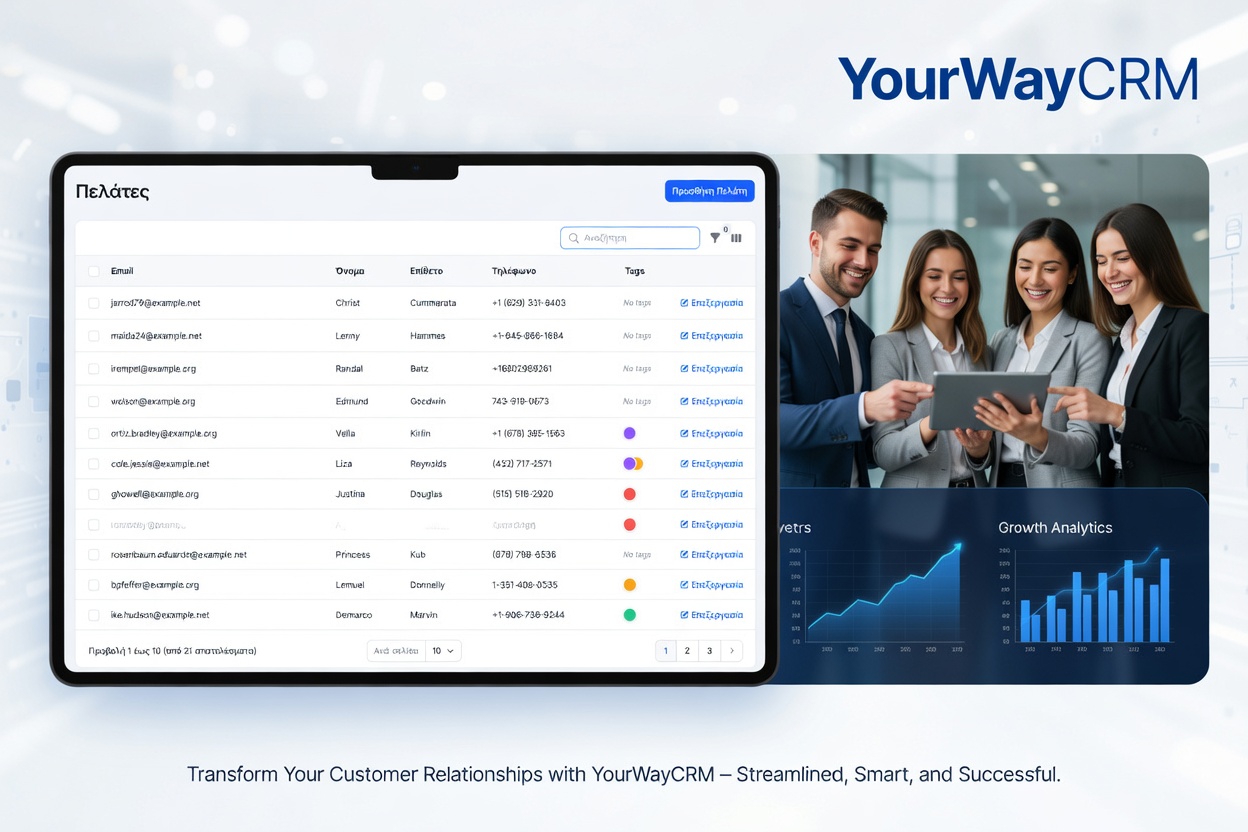
Technology should serve you, not create more work. Modern practice management platforms like YourWayCRM handle much of the repetitive admin that typically spills into evenings.
Automation opportunities include:
- Appointment reminders – sent automatically, reducing no-shows and cancellation emails
- Booking confirmations – instant confirmations reduce follow-up messages
- Invoice generation – automatically created after sessions, saving hours of manual work
- Client intake forms – completed online before the first session, not during it
- Payment processing – automated payments reduce chasing and follow-up
By automating these routine tasks, you eliminate the evening scramble to catch up on administrative work.
Batch Your Admin Tasks
Instead of handling admin throughout the day and evening, designate specific times for administrative work. Batching improves focus and efficiency.
A practical approach:
- 9:00–9:30 AM – Check and respond to emails from the previous day
- 12:00–12:30 PM – Update client records and notes from morning sessions
- 4:30–5:00 PM – Final admin block for invoicing, scheduling, and urgent items
This structure keeps admin contained within working hours and prevents it from expanding into your evening. You're not multitasking; you're giving full attention to admin during designated blocks, making it faster and more accurate.
Write Session Notes Immediately
One of the biggest time-eaters is leaving session notes until evening. By then, you're tired, and the work takes twice as long. Instead, dedicate 10 minutes after each session to document key points while the session is fresh.
A quick note template keeps this efficient:
- Key topics discussed
- Client progress or setbacks
- Next session focus
- Any follow-up actions
This takes 5–10 minutes per session, not 30. Completing notes before your next client means you're not carrying admin debt into the evening.
Use Templates and Systems
Custom templates for common tasks save time and reduce decision fatigue. Create templates for:
- Client onboarding emails
- Rescheduling requests
- Cancellation policies
- Progress notes (with key sections pre-formatted)
- Session summaries for referral sources
Templates don't mean impersonal. They provide a framework you customize for each client, reducing the cognitive load of starting from scratch each time.
Delegate or Outsource When Possible
If your practice is large enough, consider delegating administrative tasks to a practice administrator or virtual assistant. Even part-time support—5–10 hours per week—can eliminate evening admin work.
Tasks suitable for delegation include:
- Appointment scheduling and confirmations
- Invoice preparation
- Basic client communication (non-clinical)
- Organizing client records
You remain responsible for clinical documentation and client care decisions, but administrative support frees your evenings considerably.
Review and Adjust Weekly
Admin work patterns shift. Review your systems weekly: What admin tasks crept into your evening this week? Why? Adjust your boundaries or systems accordingly.
A 15-minute Friday review prevents small problems from becoming chronic evening work.
Your Evenings Matter
Protecting your personal time isn't indulgent—it's foundational to sustainable practice. You can't provide ethical, compassionate care if you're exhausted from evening admin work. Clear boundaries, smart systems, and the right tools create space for both professional excellence and personal wellbeing.
Start with one change this week. Automate one task, set one boundary, or batch one admin block. Small shifts compound into reclaimed evenings.