Why Tracking Client Sources Matters
As a lawyer running your own office, you invest time and money into attracting new clients. But do you know which efforts actually work? Without tracking where your clients come from, you're flying blind. Understanding your client acquisition sources helps you allocate resources wisely, double down on what works, and eliminate what doesn't.
When you know which referral sources, marketing channels, or networking activities bring in paying clients, you can make informed decisions about where to spend your limited time and budget. This is essential for sustainable business growth.
Setting Up a Tracking System
The first step is establishing a consistent method for recording client sources. This doesn't require complex software—though tools like YourWayCrm make it seamless by letting you tag and categorize clients at intake. What matters is that you capture the information at the right moment: when a new client first contacts your office.
Your tracking system should record:
- How the client found you (referral, search engine, social media, networking event, past client, etc.)
- The specific source (which attorney referred them, which website, which event)
- The date they first contacted you
- Whether they became a paying client
- The value of their engagement
Train your team to ask every new inquiry: "How did you hear about us?" Make this question part of your intake process, whether clients call, email, or submit an online form. Consistency is key—if you only record sources for some clients, your data will be unreliable.
Categorizing Your Client Sources
Organize your sources into meaningful categories that reflect your actual marketing activities:
- Direct referrals: Past clients, family, friends
- Professional referrals: Other attorneys, accountants, financial advisors
- Organic search: Clients who found you via Google or other search engines
- Paid advertising: Google Ads, LinkedIn, Facebook, or other paid channels
- Networking: Bar associations, business groups, community events
- Social media: Organic posts, comments, or connections
- Website: Direct visits to your website (if not already counted as organic search)
- Other: Any sources that don't fit neatly into categories above
The more specific you are, the more actionable your insights. For example, "referral" is less useful than "referral from Smith & Associates law firm" or "referral from my accountant, John Davis."
Tracking Conversion Rates by Source
Not all inquiries convert into clients. Track not just where inquiries come from, but which sources actually result in paid work. This conversion data is where the real value emerges.
Calculate simple metrics for each source:
- Number of inquiries from that source
- Number that converted to clients
- Conversion rate (conversions ÷ inquiries)
- Average engagement value
You might discover that while social media generates many inquiries, they convert at 10%, whereas referrals from other attorneys convert at 60%. This insight should shape where you invest your energy.
Using Client Management Software
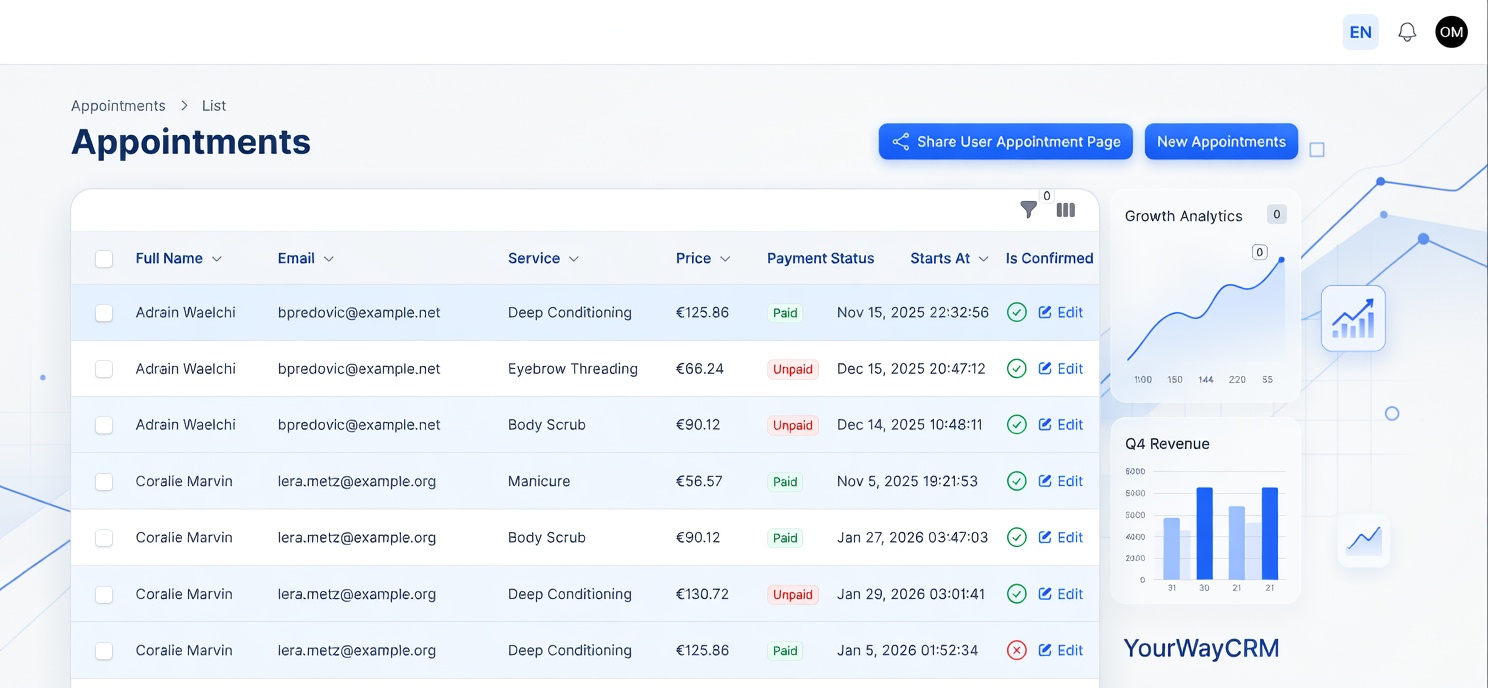
A client management platform like YourWayCrm streamlines this tracking. When you record each new client's source in your system, you can generate reports showing which sources bring the most valuable clients. You can set custom fields for "source," add notes about referral partners, and filter your client list by acquisition channel.
Over time, your system becomes a business intelligence tool. You'll spot patterns: which networking groups deliver results, which past clients refer the most, whether your website investment is paying off.
Acting on Your Data
Tracking is only useful if you act on what you learn. Review your source data quarterly:
- Which sources brought the most clients this quarter?
- Which brought the most valuable clients?
- Which sources have declining performance?
- Are there untapped opportunities?
If a particular attorney refers five clients per year with strong engagement, that relationship deserves cultivation. If you're spending money on a paid channel with a 5% conversion rate, it's time to reconsider. If organic search is your top source, invest in your website and content.
Building Stronger Referral Relationships
When you know which referral sources are most valuable, you can nurture those relationships intentionally. Send a thank-you note to attorneys who refer clients. Invite them to lunch. Keep them updated on outcomes (respecting confidentiality, of course). The more you appreciate and acknowledge your referral sources, the more they'll think of you when they have clients to refer.
The Bottom Line
Tracking where your clients come from transforms marketing from guesswork into strategy. You'll spend less time on activities that don't work and more time on what does. You'll build stronger relationships with your best referral sources. And you'll make smarter decisions about where to invest your resources as your practice grows.
Start today: add a "source" field to your intake process, train your team to capture this information consistently, and commit to reviewing the data monthly. Your future self will thank you for the insights you'll gain.