When to Hire Practice Support Staff
Running a successful mental health practice requires more than clinical expertise—it demands strong administrative management. As your practice grows, you'll face a critical decision: when to bring on support staff. Knowing the right time to hire can mean the difference between sustainable growth and burnout. This guide helps you identify the signals that it's time to expand your team.
Signs You're Ready for Support Staff
The decision to hire isn't always obvious. Many practitioners wait too long, allowing administrative tasks to consume time better spent with clients. Others hire too early, straining cash flow unnecessarily. Recognizing the genuine indicators helps you make this investment strategically.
You're Consistently Overbooked
If you're turning away clients or maintaining a long waitlist, it's time to reconsider your capacity. Support staff can handle administrative functions that currently consume your time, freeing you to see more clients. When scheduling, cancellations, and client communication take up significant portions of your day, a receptionist or practice coordinator can reclaim those hours for clinical work.
Track how many hours weekly you spend on non-clinical tasks. If it's more than 5-7 hours, support staff becomes a genuine business investment, not a luxury.
Administrative Tasks Are Piling Up
Missed follow-ups, delayed responses to client inquiries, and disorganized records suggest you're drowning in administration. These aren't just inconveniences—they're risks to client care and practice compliance. When you struggle to keep up with scheduling, invoicing, and record management, your practice operates below its potential.
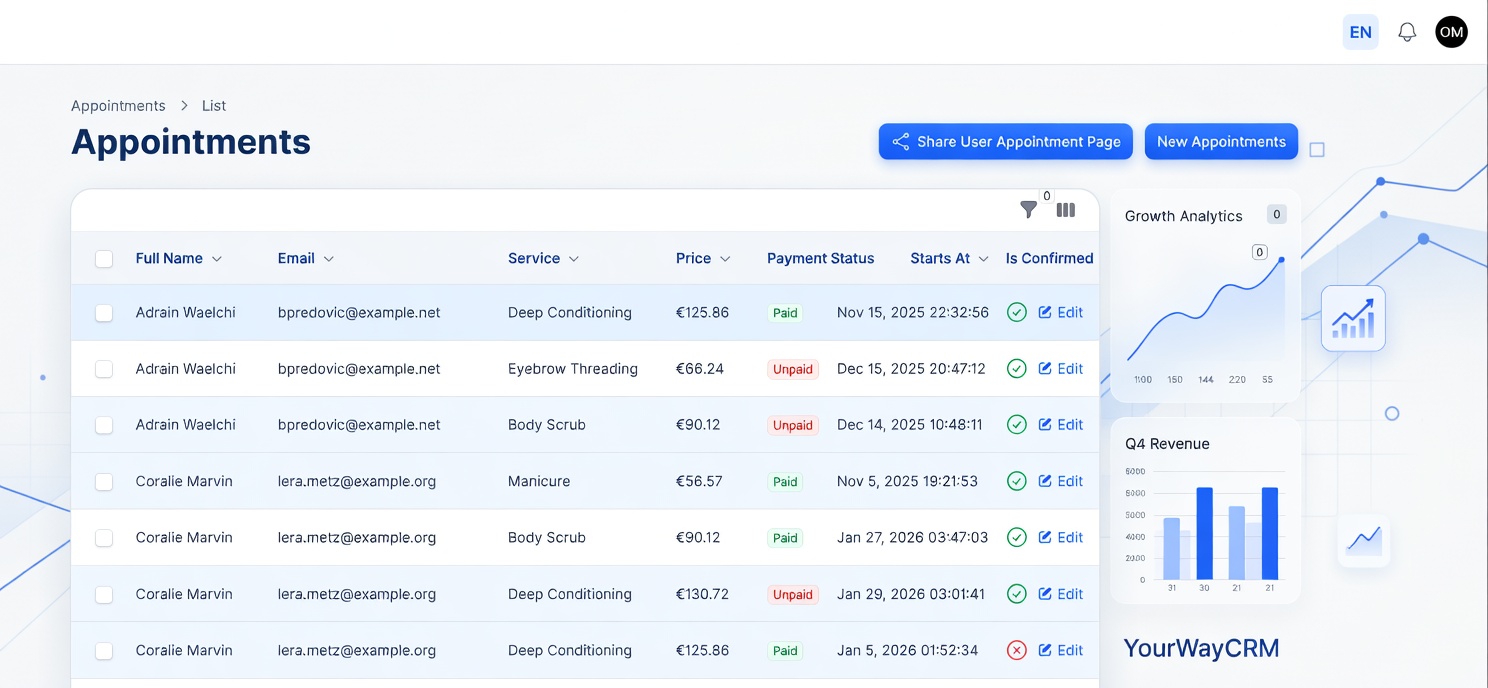
Tools like YourWayCRM can streamline many tasks, but they still require someone to manage them. If you're spending evenings and weekends on paperwork, support staff becomes essential.
Your Client Retention Is Slipping
Poor communication, missed appointment reminders, or difficulty reaching your practice frustrates clients. Support staff ensures clients receive timely responses and reminders, improving their experience and retention. When administrative gaps lead to cancellations or clients switching to other practitioners, hiring support becomes cost-effective.
You're Experiencing Burnout
If clinical work feels exhausting because you're also managing every administrative detail, burnout is close. Your wellbeing directly impacts the quality of care you provide. Support staff isn't just about efficiency—it's about protecting your mental health and sustaining your career long-term.
What Tasks Should Support Staff Handle?
Before hiring, clarify what responsibilities you'll delegate. Effective support staff roles typically include:
- Scheduling and cancellations: Managing the calendar, confirming appointments, and handling cancellations and rescheduling
- Client communication: Sending appointment reminders, responding to routine inquiries, and managing phone lines
- Record keeping: Organizing client files, ensuring documentation is complete, and managing filing systems
- Invoicing and payments: Processing payments, sending invoices, and following up on outstanding balances
- Administrative tasks: Managing supplies, scheduling maintenance, and handling general office operations
Clarifying these boundaries protects both you and your clients. Support staff should never access clinical notes or make clinical decisions—their role is purely administrative.
Part-Time vs. Full-Time Support
Your practice size and budget determine whether you need full-time or part-time support. Many growing practices start with part-time administrative help—perhaps 15-20 hours weekly—to test the arrangement and manage costs.
Part-time support works well for practices with 15-25 active clients weekly. As you grow beyond 30-35 clients, full-time support becomes more practical. Consider whether your practice is seasonal or maintains consistent demand throughout the year.
Cost-Benefit Analysis
Hiring support staff is an investment. Calculate the realistic return by determining how many additional billable hours you could work if administrative tasks were handled by someone else. If you see 25 clients weekly at your standard rate, and support staff frees up 5 hours for additional client sessions, the revenue increase often justifies the salary cost.
Factor in training time, benefits if applicable, and potential turnover. Many practitioners find that within 6-12 months, support staff pays for itself through increased client capacity and retention.
Preparing Your Practice for Support Staff
Hiring is only the first step. Successful integration requires preparation:
- Document your processes: Write down how you currently handle scheduling, client communication, and record management. This becomes your training guide.
- Implement systems: Use practice management software like YourWayCRM to standardize workflows. Support staff can't manage what isn't clearly defined.
- Establish confidentiality protocols: Create clear guidelines about what information support staff can access and how to protect client privacy.
- Set boundaries: Define what decisions support staff can make independently and what requires your input.
- Plan onboarding: Budget time to train new staff thoroughly. Poor training creates more work, not less.
Making the Final Decision
Hiring support staff is rarely a decision made in isolation. Consider your practice goals, financial stability, and workload honestly. If you're consistently working 50+ hours weekly, if clients struggle to reach you, or if you're turning away business, support staff is likely overdue.
Start by auditing your time for one month. Track exactly how many hours you spend on clinical work versus administration. Use that data to inform your hiring decision. Many practitioners are surprised to discover they spend 30-40% of their time on non-clinical tasks—time that could be reclaimed with proper support.
Your practice's success depends on sustainable operations. Hiring support staff isn't admitting defeat—it's recognizing that you can't do everything alone and that delegating wisely strengthens your entire practice.